
Bad breath, also known as halitosis, is an issue that many people face at some point in their lives. Whether it is after a meal, a long day at work, or even just a cup of coffee, bad breath can be an embarrassing problem. It is not just a social inconvenience but also a sign of deeper dental issues that need attention. Thankfully, there are advanced techniques used during teeth cleaning by dentists that can help combat bad breath effectively.
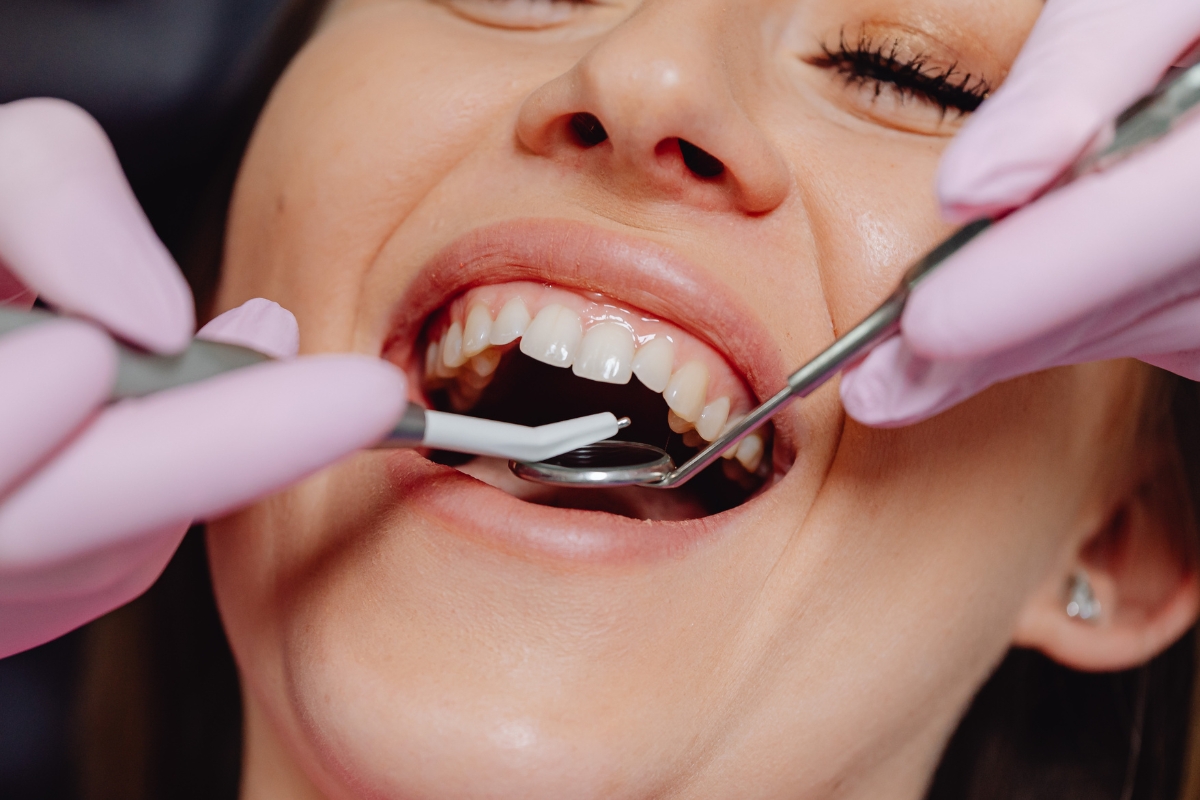
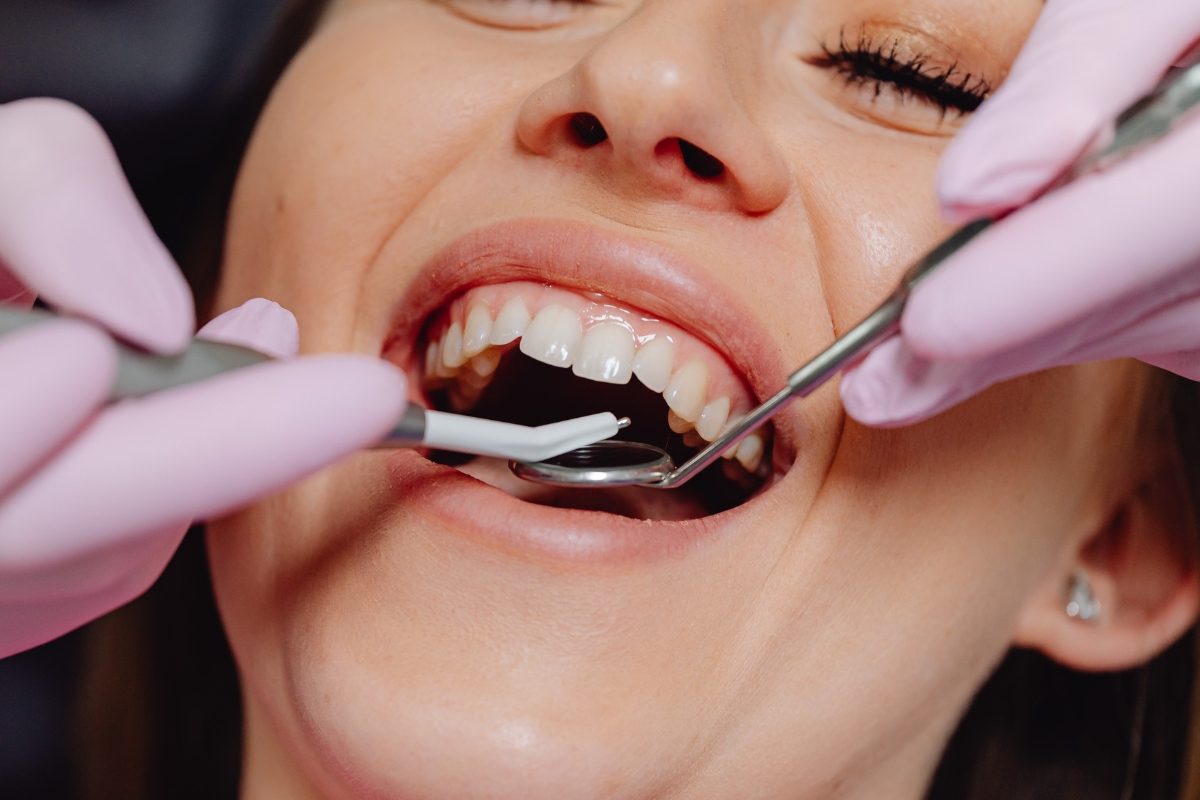
Teeth cleaning plays a vital role in maintaining good oral health. It involves more than just brushing your teeth at home. While brushing and flossing can help reduce the buildup of plaque, professional teeth cleaning by a dentist ensures that you are getting a thorough clean. This process goes deeper, targeting areas where plaque and tartar may have accumulated, and helps remove bacteria that can cause bad breath.
Let’s check out the advanced techniques dentists use during teeth cleaning to fight bad breath and keep your smile fresh.
The Importance of Teeth Cleaning by a Dentist
Routine teeth cleaning by a dentist is crucial not just for aesthetics but for overall oral health. Bad breath is often caused by bacteria that linger in the mouth, which can thrive in areas that are difficult to reach with a toothbrush. The bacteria produce sulfur compounds, which are the main culprits behind the unpleasant odor. During a professional cleaning, your dentist will remove plaque and tartar, which can harbor these bacteria, ensuring your mouth stays fresher for longer.
A major factor contributing to bad breath is gum disease. When plaque hardens into tartar, it irritates the gums, causing inflammation and infection. This can lead to further dental complications and worsen bad breath. A dentist will thoroughly clean your gums during the procedure, preventing gum disease and reducing the risk of persistent bad breath.
Advanced Techniques Used During Teeth Cleaning
Teeth cleaning is more than just a routine procedure; it is a chance for your dentist to use advanced techniques that go beyond regular brushing and flossing. These methods help target hard-to-reach areas, remove stubborn plaque, and ensure your mouth stays fresh and healthy. Here are some innovative techniques your dentist may use to enhance your experience of teeth cleaning in Irvine, California, and fight bad breath more effectively:
1. Ultrasonic Scaling
One of the most advanced techniques in professional teeth cleaning is ultrasonic scaling. This technique uses high-frequency sound waves to break up plaque and tartar. It is effective in reaching deeper areas below the gumline, which is often where bacteria and buildup hide. Ultrasonic scaling helps ensure that all hard-to-reach spots are properly cleaned, leading to fresher breath and healthier gums.
2. Polishing
After the scaling process, your dentist will usually perform a polishing procedure to smooth the surfaces of your teeth. This helps remove any remaining plaque and bacteria, leaving your teeth feeling smooth and clean. Polishing also gives your teeth a glossy, clean appearance, making them less prone to plaque buildup in the future.
3. Fluoride Treatment
Many dentists apply a fluoride treatment after the cleaning. Fluoride strengthens the enamel, helping to protect against cavities and plaque buildup. A stronger enamel surface is less likely to harbor bacteria that can cause bad breath, making fluoride treatment a valuable step in keeping your breath fresh.
4. Antiseptic Rinse
Some dentists use antiseptic rinses during the cleaning process to reduce bacteria in the mouth. These rinses target harmful bacteria that contribute to bad breath, leaving your mouth feeling cleaner and fresher. They can also help reduce inflammation in the gums, preventing gum disease and reducing the chances of chronic bad breath.
5. Laser Treatment for Gum Health
Laser technology has become a valuable tool in dental treatments, including teeth cleaning. Laser treatment can help remove bacteria from the gums and reduce inflammation. This advanced technique is particularly useful for patients with gum disease, as it promotes faster healing and prevents further bacterial buildup.
Teeth Cleaning Side Effects: Myths vs. Reality
Teeth cleaning by a dentist is a safe and effective procedure, and most patients experience little to no side effects. While some people may briefly feel mild sensitivity in their teeth or gums after the cleaning, this is typically temporary and fades within a few hours to a couple of days. In rare cases, some gum bleeding may occur, but it usually resolves quickly.
It is important to note that any side effects are minor, and concerns about significant issues are often based on myths. With the right oral care, including regular cleanings, the benefits far outweigh any temporary discomfort. If bad breath persists after professional cleaning, it might be a sign of deeper dental issues that should be addressed with your dentist.
Say Goodbye to Bad Breath with Professional Teeth Cleanings
When looking for teeth cleaning near you, it is important to choose a dentist who provides comprehensive care. Routine checkups and professional cleanings are vital in maintaining your oral health, preventing bad breath, and avoiding more serious dental issues.
Regular teeth cleaning not only helps maintain a fresh breath but also detects potential problems early, which can save you from future dental procedures. If you are looking for teeth cleaning in Irvine, California, contact Irvine Smiles Dental for professional care. Do not wait, schedule your appointment today to experience the benefits of a cleaner, fresher mouth!
FAQs
- How often should I get a professional teeth cleaning?
It is recommended to get a professional teeth cleaning every six months. However, depending on your oral health, your dentist may recommend more frequent visits. - Can teeth cleaning by a dentist prevent bad breath?
Yes, regular professional cleanings help remove plaque and bacteria that contribute to bad breath, leading to a fresher mouth. - Are there any side effects after teeth cleaning?
Some mild side effects may include tooth sensitivity and gum bleeding, but these are usually temporary and resolve within a few days. - Does teeth cleaning hurt?
Teeth cleaning is generally painless, though some patients may feel mild discomfort or sensitivity, especially if they have gum disease. - How can I maintain fresh breath after teeth cleaning?
Regular brushing, flossing, and using mouthwash are essential to maintaining fresh breath between professional cleanings.
What’s the difference between a regular teeth cleaning and a deep cleaning?
A regular cleaning removes plaque from the tooth surface, while a deep cleaning addresses plaque and tartar below the gumline, often necessary for gum disease treatment.