

Your shifting teeth and bone loss might be telling you something in Oak Creek — and it is worth listening. Many patients ignore early warning signs for months or even years. By the time discomfort becomes impossible to ignore, significant damage has often already occurred. Understanding what your body is signaling can make a real difference in your long-term oral health.
At Irvine Smiles Dental, Dr. Jack Chieh-Hao Chiang works with Oak Creek patients who arrive wishing they had acted sooner. This article walks through the key warning signs that suggest you may have waited too long. It also explains what comes next and why early action matters so much.
Why Shifting Teeth in Oak Creek Deserve Immediate Attention
When a tooth is lost, neighboring teeth no longer have stable support on one side. Over time, they begin to drift toward the empty space. This movement is gradual, so many people do not notice it happening. But drifting teeth create serious bite and alignment problems.
Misaligned teeth put uneven pressure on your jaw. That pressure accelerates wear on healthy teeth. It can also lead to jaw pain and headaches. What starts as one missing tooth can eventually affect your entire bite structure.
Shifting can also make it harder to clean your teeth properly. Tight or overlapping spaces trap bacteria and food debris. This raises your risk of decay and gum disease significantly. Oak Creek residents noticing changes in how their teeth fit together should not delay evaluation.
Bone Loss Is a Silent Warning Sign You Cannot Afford to Ignore
Jawbone density depends heavily on stimulation from tooth roots. When a tooth is missing, that part of the jaw no longer receives regular pressure. The bone begins to resorb — meaning your body gradually breaks it down. This process starts within the first few months after tooth loss.
Bone loss is not always visible or painful in the early stages. Many patients are surprised to learn how much bone they have already lost. A dental X-ray can reveal bone changes that are not yet noticeable in the mirror. This is one reason regular checkups matter so much.
Advanced bone loss complicates treatment significantly. Dental implants require sufficient bone density for proper placement and stability. If bone loss is severe, additional procedures like bone grafting may be necessary before implants can be placed. Acting earlier avoids this complexity and keeps more options available to you.
- Bone resorption begins within weeks of tooth loss
- The face can appear sunken or aged as bone volume decreases
- Advanced bone loss may require grafting before implant placement
- Early intervention preserves both bone and surrounding teeth
Difficulty Chewing and Other Functional Warning Signs
One of the clearest signs of a worsening dental problem is difficulty chewing. You might find yourself favoring one side of your mouth. Certain foods — especially harder or chewier options — may become uncomfortable or impossible to enjoy. This kind of compensation puts stress on your healthier teeth.
Difficulty chewing is not just uncomfortable. It affects your nutrition and digestion. People who struggle to chew often shift to softer, processed foods. Over time, this dietary change can impact your overall health in meaningful ways.
Other functional warning signs include:
- Clicking or popping sounds in your jaw joint
- Sensitivity in teeth that were previously pain-free
- A noticeable change in the way your upper and lower teeth meet
- Food frequently getting stuck in new gaps between teeth
- Speaking difficulties caused by shifting front teeth
Any of these symptoms deserves prompt professional evaluation. They are not signs of normal aging. They are signals that the structure of your mouth is changing in ways that require care.
What Happens When Root Problems Go Untreated
Sometimes the root cause of shifting teeth or bone loss is an untreated infection beneath the surface. An abscessed or infected tooth can silently destroy surrounding bone tissue. Patients often do not feel severe pain until the infection has spread considerably. Understanding Root Canal Obturation Methods For Treatment Success helps explain how thorough root canal treatment can stop this damage before it escalates.
Leaving an infection untreated forces the body to respond in damaging ways. Bacteria erode the bone and ligaments that hold neighboring teeth in place. This can loosen otherwise healthy teeth. In serious cases, multiple teeth may be affected by one untreated problem.
Early intervention through root canal therapy can save a natural tooth and protect surrounding bone. Keeping your natural tooth is almost always preferable to extraction when it is possible. The goal is always to preserve what you have before considering replacement options. Timely treatment is far less complex and less costly than managing advanced bone loss.
Implants, Crowns, and Restoring What Was Lost in Oak Creek
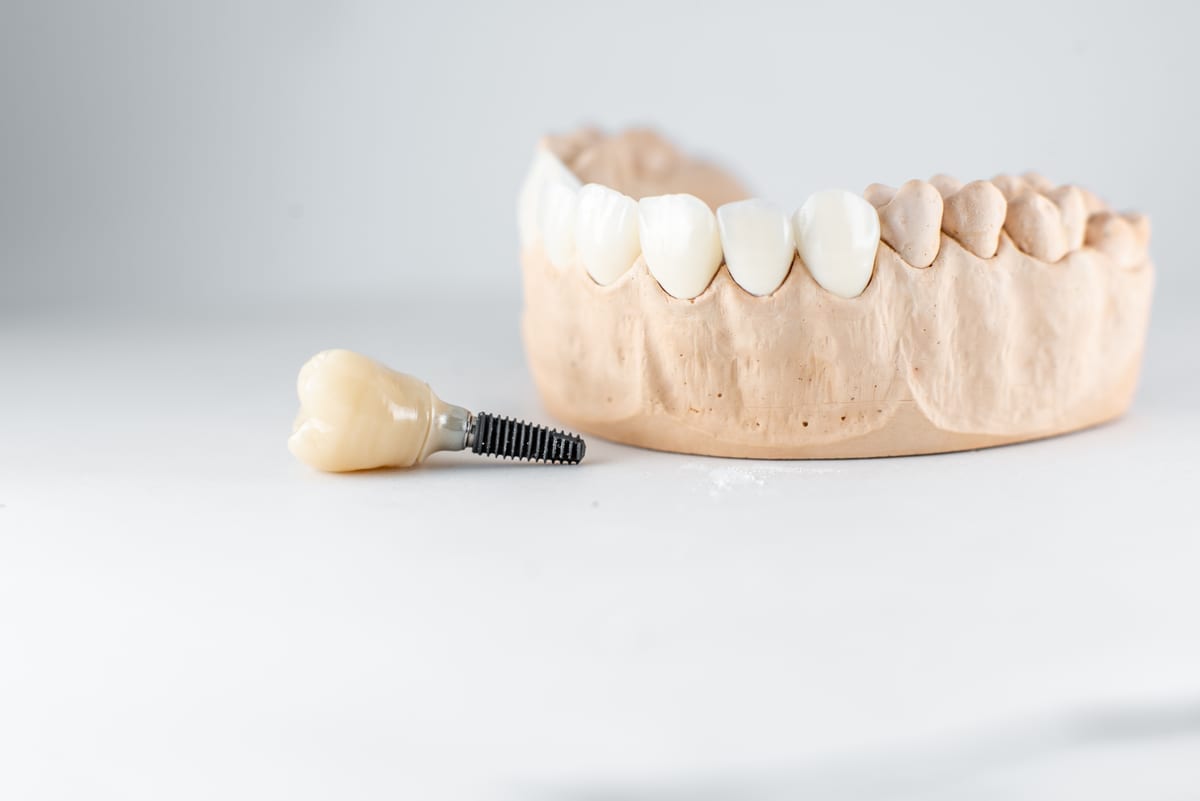
Once teeth are lost and bone loss has progressed, dental implants are often the most effective long-term solution. Implants replace the root as well as the visible tooth. This stimulates the jawbone and prevents further resorption. They function and feel like natural teeth in most cases.
Dental crowns play an important role too. If a damaged tooth can be saved, a crown restores its function and appearance. Crowns also protect teeth that have undergone root canal treatment. Choosing the right restoration depends on how much natural tooth structure remains.
For patients interested in also improving the look of their smile while addressing structural concerns, Cosmetic Dentistry options can be incorporated into a comprehensive treatment plan. Addressing health and aesthetics together is often the most efficient approach. Dr. Chiang takes time to understand each patient’s goals before recommending a path forward. Oak Creek residents deserve a plan that is both practical and personalized.
Conclusion: Do Not Wait Until the Damage Becomes Irreversible
Your shifting teeth and bone loss might be telling you something important in Oak Creek — and that message deserves a professional response. The longer structural dental problems go unaddressed, the more complex and involved treatment becomes. Early evaluation gives you more options and better outcomes. It also helps you avoid the compounding problems that come from years of delay.
Dr. Jack Chieh-Hao Chiang and the team at Irvine Smiles Dental are here to help Oak Creek patients take that first step with confidence. Our approach is educational, honest, and focused entirely on your long-term health. We explain everything clearly so you can make informed decisions without pressure. Book Now to schedule your appointment with our team.
Frequently Asked Questions
How quickly does bone loss begin after a tooth is lost?
Bone resorption can begin within the first few weeks after tooth loss. Significant bone volume can be lost within the first year if no replacement is placed. Dental implants are one of the most effective ways to stop this process because they stimulate the jawbone like a natural root.
Can shifting teeth move back into place on their own?
No — teeth that have drifted will not return to their original position without treatment. Orthodontic treatment or restorative procedures are needed to correct misalignment. The sooner drifting is addressed, the less correction is typically required.
Is difficulty chewing always related to missing teeth?
Not always, but it is a common cause. Difficulty chewing can also result from worn enamel, cracked teeth, gum disease, or jaw joint problems. A thorough dental evaluation helps identify the exact source so the right treatment can be recommended.
What are the signs that I may need a dental implant?
Common signs include one or more missing teeth, visible bone loss in X-rays, shifting of neighboring teeth, or difficulty chewing on one side of your mouth. A consultation with Dr. Chiang can confirm whether implants are appropriate for your specific situation.
How do I know if an infection is affecting my jawbone?
Bone loss from infection is not always obvious without imaging. Symptoms like persistent dull aching, swelling, sensitivity, or a bad taste in your mouth can indicate a deeper problem. Dental X-rays and a clinical exam are the most reliable way to detect silent infections before they cause serious damage.