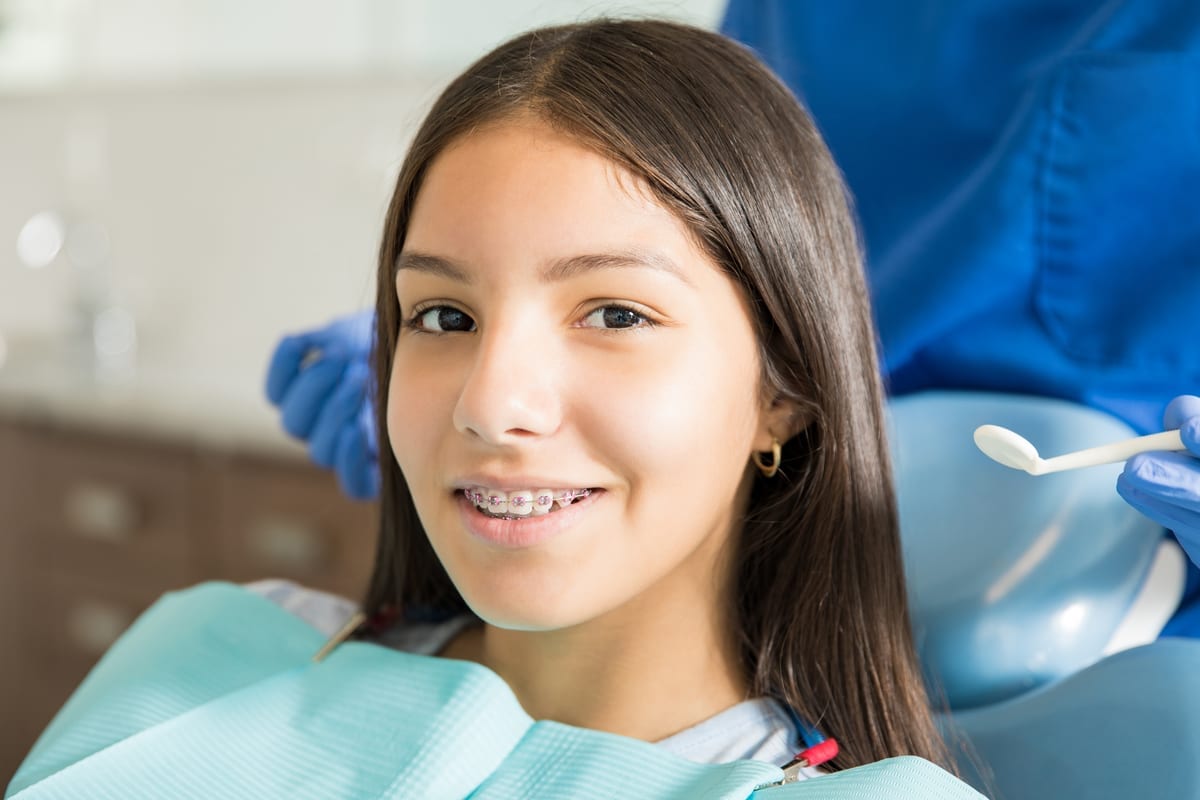


You invested time, money, and trust into your cosmetic smile. Now the real question is: how do you keep it looking its best? For patients in Westpark, a maintenance plan that actually works means more than brushing twice a day. It means understanding what threatens your results — and what protects them. Dr. Jack Chieh-Hao Chiang at Irvine Smiles Dental helps patients build smart, sustainable habits after cosmetic treatment.
Why Cosmetic Dental Work Needs a Maintenance Plan in Westpark
Cosmetic treatments like veneers, crowns, bonding, and Invisalign deliver beautiful results. But those results are not maintenance-free. Without the right care habits, cosmetic work can chip, stain, or fail much sooner than expected.
Westpark patients lead active, busy lives. Between meals, sports, stress, and daily wear, your smile faces real challenges. A personalized maintenance plan helps you stay ahead of those challenges before they become costly problems.
Think of your cosmetic smile like a car after a full detailing. It looks perfect right after the work is done. But without regular upkeep, that finish fades fast. The same principle applies to dental veneers, crowns, and whitening treatments.
What to Avoid After Cosmetic Dental Treatment
Certain habits and foods can significantly shorten the life of your cosmetic work. Knowing what to avoid is the first step in any solid maintenance routine. Here are the top threats to your cosmetic smile:
- Hard foods: Ice, hard candy, and crusty bread can chip veneers or crack crowns.
- Staining beverages: Coffee, red wine, and dark sodas discolor bonding material over time.
- Teeth grinding: Bruxism wears down veneers and damages Invisalign results.
- Skipping a nightguard: Grinding at night is one of the most common causes of premature cosmetic failure.
- Using teeth as tools: Opening packages or biting nails puts unnecessary stress on dental work.
- Harsh whitening products: Over-the-counter strips can damage bonded surfaces and irritate gum tissue.
These habits may seem minor. But repeated over months, they add up to serious wear. Your dentist can help you identify which risks apply most to your specific treatment type.
Daily Habits That Protect Your Cosmetic Smile Long-Term
Protection starts at home. The right daily routine keeps your cosmetic work looking fresh and functioning well. Here is what Dr. Chiang recommends for Westpark patients:
- Brush with a soft-bristled toothbrush twice daily to avoid scratching veneer surfaces.
- Use non-abrasive, fluoride toothpaste to protect enamel and bonding material.
- Floss gently every day, especially around crown margins and bonded teeth.
- Rinse with an alcohol-free mouthwash to reduce bacteria without drying gum tissue.
- Wear a custom nightguard if you grind your teeth during sleep.
- Stay hydrated — dry mouth increases acid levels that erode cosmetic work.
These steps take less than ten minutes a day. Yet they dramatically extend the life of veneers, crowns, and other treatments. Consistency is everything when it comes to long-term cosmetic success.
If you have had a Root Canals procedure under a crown, maintaining that crown is especially important. A compromised crown over a treated tooth can allow bacteria to re-enter. Learn more about Root Canal Obturation Methods For Treatment Success to understand how your treatment was completed — and why protecting that tooth matters long-term.
When to Schedule Maintenance Visits at Irvine Smiles Dental
At-home care is essential, but professional visits complete the picture. Regular dental visits allow Dr. Chiang to catch small issues before they become big repairs. For cosmetic patients in Westpark, timing those visits correctly makes a real difference.
Most cosmetic patients benefit from professional cleanings every six months. However, patients with veneers, crowns, or bonding may need more frequent polishing with specific tools. Abrasive cleaning instruments can scratch delicate surfaces, so professional expertise matters here.
During maintenance visits, your dental team will:
- Check the margins of crowns and veneers for signs of wear or lifting.
- Polish bonded surfaces gently with cosmetic-safe tools.
- Screen for grinding damage and adjust your nightguard if needed.
- Evaluate gum health around cosmetic restorations.
- Recommend professional whitening touch-ups if your natural teeth have shifted in shade.
Skipping these visits is one of the most common reasons cosmetic work fails earlier than expected. A brief appointment twice a year protects your full investment.
How Long Should Cosmetic Dental Work Last?
Patients often ask how long their cosmetic work should realistically last. The honest answer depends on the treatment type and how well it is maintained. With proper care, here is what you can generally expect:
Porcelain veneers typically last 10 to 20 years with consistent upkeep. Dental crowns last 15 years or longer when margins are kept clean and grinding is controlled. Tooth bonding lasts 5 to 10 years depending on location, diet, and oral hygiene habits. Teeth whitening results can last one to three years with periodic touch-ups and stain avoidance.
These timelines are not guarantees — they are goals. Your habits directly influence whether you reach the upper end of those ranges. Dr. Chiang works with every Westpark patient to create a realistic maintenance plan based on their specific treatments.
Building Your Personalized Smile Maintenance Plan in Westpark
No two cosmetic cases are exactly alike. A patient with veneers has different needs than a patient who completed Invisalign or received dental crowns. That is why a one-size-fits-all approach rarely works for long-term cosmetic success.
At Irvine Smiles Dental, Dr. Chiang reviews your full treatment history during maintenance visits. He identifies any early warning signs and adjusts your care plan accordingly. This proactive approach prevents costly repairs and keeps your smile looking its best year after year.
If you are a Westpark patient who has invested in cosmetic dentistry, your smile deserves the same level of care after treatment as it received during it. A maintenance plan that actually works is not complicated — but it does require consistency, the right habits, and professional guidance.
Ready to protect your cosmetic results for the long haul? Book Now to schedule your appointment with our team.
Frequently Asked Questions
How often should I visit the dentist after cosmetic dental work?
Most cosmetic patients should schedule professional cleanings every six months. Patients with crowns, veneers, or bonding may benefit from visits every four months in some cases. Dr. Chiang will recommend a schedule based on your specific treatments and oral health status.
Can I whiten my teeth after getting veneers or crowns?
Whitening products do not change the shade of porcelain veneers or crowns. Whitening your natural teeth while you have cosmetic restorations can create a color mismatch. Talk to Dr. Chiang before using any whitening product to ensure a consistent, balanced result.
Is a nightguard really necessary after cosmetic dental work?
Yes, especially if you grind or clench your teeth. Grinding is one of the leading causes of veneer chipping and crown damage. A custom nightguard protects your cosmetic work during sleep and significantly extends its lifespan.
What happens if I skip maintenance visits after cosmetic treatment?
Skipping visits allows small issues to progress unnoticed. Crown margins can lift, bonding can chip, and gum problems can develop around restorations. Catching these issues early during maintenance visits prevents expensive repairs later.
Does cosmetic dental maintenance differ from regular dental care?
Yes, it does in several important ways. Cosmetic maintenance requires gentler polishing tools, specific product recommendations, and closer monitoring of restoration margins. Dr. Chiang tailors each maintenance visit to protect both your natural teeth and your cosmetic work.