
Most people think that dental treatments only fix what we can see on the outside. But with most dental problems, the real issue starts much deeper, within the innermost layers of the tooth where nerves and blood vessels reside. When this area becomes infected or damaged, pain can quickly develop, making daily life quite uncomfortable. You may start to feel sensitivity when sipping a morning cold brew or biting into your favorite farmers’ market apple.
Deep tooth infections require professional treatment. A dentist can treat the inside of a tooth to relieve the pain, save the tooth, and prevent future complications. The treatments for the inside of the tooth target the pulp tissue, roots, and canals that are beneath the enamel. In this blog, you will learn which dental procedures focus on the inside of the tooth, how they work, and when you should consider them.
Understanding The Inside Of The Tooth
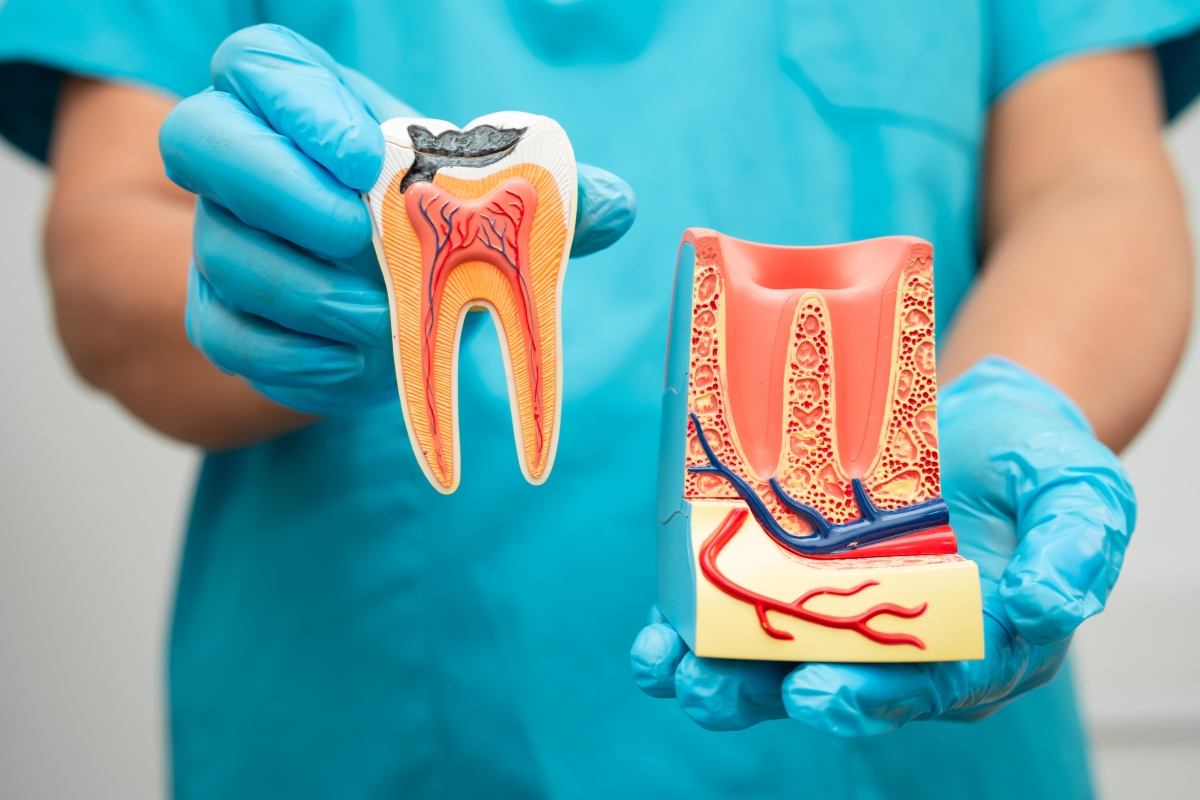
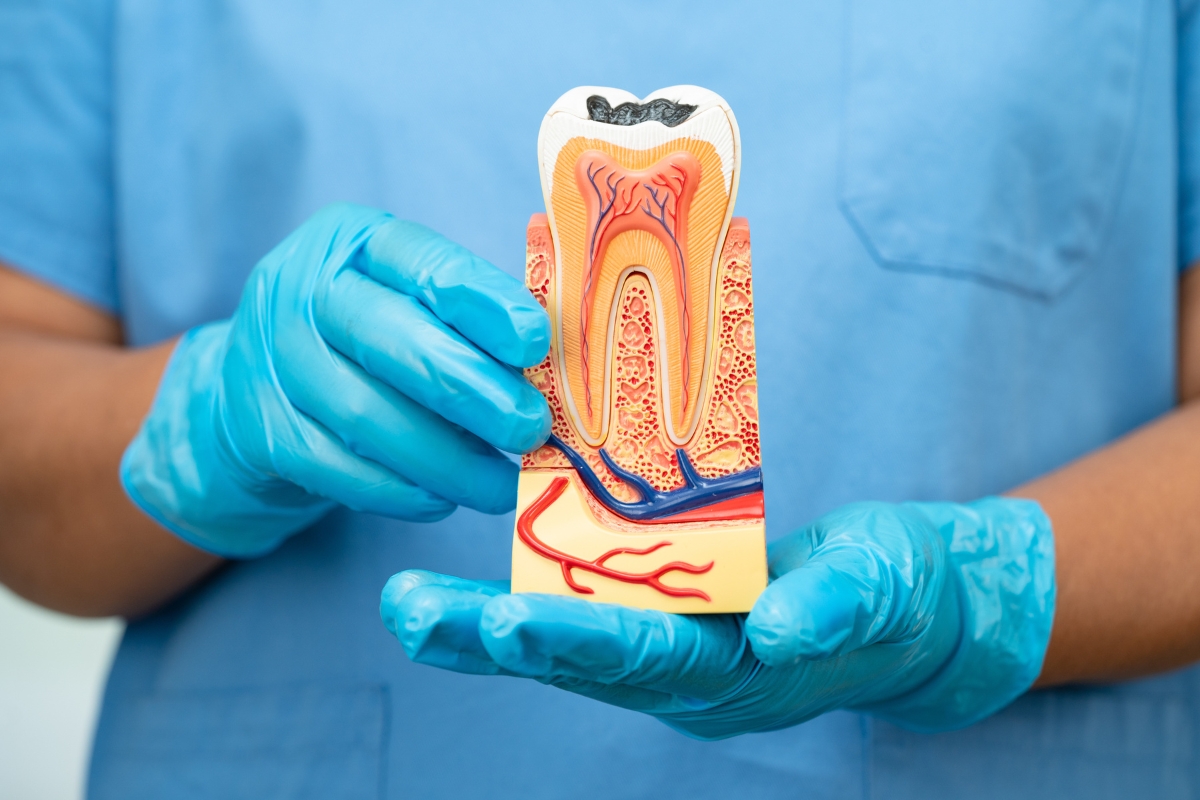
Every tooth contains nerves and soft tissues called pulp. When the area inside becomes infected, it can radiate pain through the jaw. An Irvine dentist can diagnose and treat such issues, helping save your natural tooth.
The pulp is the living part inside the tooth. Pulp infection can cause swelling, pain, and sensitivity. To remove this infection and preserve the tooth’s structure, treatment is performed inside the tooth. In these cases, early care can prevent tooth loss, whereas delaying treatment may require more advanced treatment later.
Why Internal Tooth Treatments Matter?
When the infection reaches the pulp, surface treatments like fillings are insufficient. Internal care protects the roots and helps restore oral function without removing the tooth. Here are some standard benefits:
- Prompt dental visits reduce discomfort and support long-term oral health
- Internal therapies stop infection right at its very source
- The treatments prevent further bacterial proliferation
- Helps save natural teeth when possible
- Relief from aches while chewing food
- Protects the integrity of surrounding teeth and gums from damage.
Root Canal Therapy
The root canal treatment aims to clean the tooth’s interior, remove the infected pulp, and seal the canals to prevent further infection. Most people think this procedure is painful, but in reality, with today’s techniques and numbing agents, it is not. People generally receive this treatment and head back to their routine. Here are some reasons why people choose root canal therapy:
- This treatment is ideal if the tooth is still in a condition to be saved
- The therapy removes damaged pulp and cleans the canals without uprooting the tooth
- It repairs deep decay or infection
- The tooth is filled and sealed tightly after cleaning, avoiding the recurrence of infection
- A dental crown may be placed for added strength.
Pulpotomy: Mostly for Children
In pulpotomy, only the infected portion of the pulp is removed, rather than clearing the entire root, to minimize damage. It is common when decay has not reached deep into the canal system. You can think of it like treating just the top floor instead of the entire building. The treatment is popular for the following reasons:
- It is done to avoid a root canal
- The treatment removes the infected pulp only from the top chamber
- It soothes pain and prevents bacterial spread
- It helps preserve healthy root tissue
- A protective filling or crown is almost always placed after treatment to ensure safety.
Pulpectomy: Full Removal of the Pulp
A pulpectomy is similar to a root canal, but is used when infection is severe. The dentist removes all pulp from both the crown and roots to stop pain and save the tooth. It is more detailed and is used for teeth that need a deeper cleaning. Here are some characteristics of the treatment:
- Cleans the complete pulp structure
- Keeps the tooth stable and usable
- Helps treat abscess and infection
- Prevents bone loss in the jaw
- Often followed by root canal therapy.
Endodontic Retreatment
Sometimes a tooth that has undergone a root canal becomes reinfected. This happens due to missed canals or cracks that were previously undetected. Retreatment removes the previous filling, cleans the tooth’s interior, and then reseals it.
- Used in the event of root canal failure or recurrence of infection
- Can save a tooth from extraction
- Old filling removed and cleaned
- New materials have been put in place for a fresh seal
- Does not involve unnecessary removal of the teeth.
Apicoectomy
When the infection is located at the tip of the root, a simple root canal is insufficient. An apicoectomy involves removing the tip of the root and the infected tissue. Local anesthesia may be used to numb the area for comfort. Here is what you can expect from this treatment:
- Surgery targets the root end directly
- Infection that remain deep is removed
- Works when retreatment is not suitable
- Helps save the tooth structure for a long time
- It prevents the swelling and recurrence of the abscess.
When Should You Choose Treatments Inside the Tooth?
If the tooth has a sharp sensation, hot coffee stings, or pain wakes you in the night, it is likely involving the pulp. If signs are left unaddressed, they can lead to swelling or an abscess. Such treatments keep natural teeth healthy, so that you can continue enjoying your favorite weekend brunch. When you face any of the following situations, it might be the right time to visit your dentist:
- Persistent toothache or sensitivity
- Swelling of the gums or face
- Pain while chewing
- Darkening of a tooth
- Past injury or untreated decay.
Benefits of Treating the Inside of the Tooth
Internal treatments save natural teeth and help prevent more serious problems. Instead of extraction, these options restore function so you can smile and eat comfortably. People who love smoothies or crunchy snacks find that pain-free teeth significantly improve their everyday life. Here is why people choose dental treatments inside the tooth:
- Pain relief and comfort
- Better chewing
- Preservation of natural teeth
- Stops the growth of bacteria
- Supports long-term oral health.
Keeping The Teeth Strong After Treatment
Proper care of your tooth after the inside work helps to maintain the results. Simply follow easy steps at home and visit the dentist routinely, and your treated tooth will be perfectly healthy. Here are a few tips to keep your teeth healthy after treatments:
- Brush twice daily with fluoride
- Floss gently to remove trapped food
- Attend follow-up dentist visits as suggested
- Avoid chewing ice or hard candies
- Seek early care for new pain.
Your Comfort & Care Come First
If treatment is directed internally, natural teeth can be saved. Proper dental treatment enables one to return to their usual activities without pain disrupting their plans. Restoring the internal dental health improves comfort, enhances chewing, and boosts confidence when smiling. Our team warmly welcomes patients and offers support in a non-intimidating manner at every step.
If you are in pain, have sensitivity, or have symptoms indicating an infection, internal dental treatments may be your solution. At Irvine Smiles Dental, you can get root canal therapy, dental extractions, sealants, and a wide range of other dental treatments. Our team will walk you through advanced techniques and treatment options, providing gentle care in a serene atmosphere. Call us today to schedule an appointment with our office and let our team get started on preserving your healthy, natural teeth for many years to come.
FAQs
What causes infection inside the tooth?
Infection develops when bacteria reach the inner pulp through deep decay, cracks, or untreated cavities. Pain often begins slowly, then increases. Immediate dental care prevents the spread and saves the tooth.
Is a root canal painful?
Root canals are done with numbing to keep you comfortable. Many people feel relief soon after the treatment as pain from the infection reduces. Most return to normal activities shortly.
How long does recovery take after internal tooth treatment?
Healing varies depending on the procedure. Mild tenderness is common for a short time. Following dental advice and maintaining oral hygiene helps the recovery progress well.
Can a treated tooth last for years?
Yes. With proper care and dental checkups, treated teeth can last many years. Brushing, flossing, and avoiding biting hard objects protect the tooth structure.
What happens if I ignore tooth pain?
Pain often means infection is growing. Without treatment, the issue can worsen, leading to abscess, swelling, or tooth loss. Early care helps avoid bigger problems.
Do these treatments prevent extraction?
Internal procedures often save natural teeth that might otherwise need removal. Treating pulp infection early keeps the tooth strong and functional.