
Dental cavities are the most common chronic disease in America. People make light of the risks until pain disrupts everyday life. Decay, if not treated, will quickly spread to more than the affected tooth. Restorative care provides solutions, but prevention of further damage is what matters most.
People should realize that cavities impact eating, sleeping, and focus. Early detection makes all the difference by stopping decay from worsening. This blog reveals why early intervention safeguards smiles.
What Happens If Cavities Are Left Unchecked?
Small cavities grow because they’re not caught during daily habits. They spread fast to the sensitive inner layers of the tooth. You may experience ongoing pain or infection that spreads at lightning speed. Restorative procedures become unavoidable when fillings or crowns are the only choice.
Unchecked decay leads to discomfort while eating, speech difficulties, and even loss of teeth. You may also avoid favorite foods due to sensitivity. Confidence is compromised when teeth chip or discolor. Identifying these early warning signs can help protect overall oral function and confidence.
Why Early Detection Matters
Early detection of tooth decay prevents complications that necessitate advanced restorative care in the future. Minor problems take only minimal interventions like fluoride or sealants. These interventions are time and cost-saving for families. People feel assured when they do not miss anxious procedures.
Restorative dentistry works best when issues are minor and less invasive. Early visits eliminate apprehension and make dental visits more pleasant. You can form healthy habits without associating dentists with pain. With this, you can protect smiles and prevent unnecessary financial outlays.
How Dentists Detect Cavities Early
A professional dentist in Irvine implements six-monthly checkups in an effort to track oral health development. Restorative dentistry starts with prevention and close monitoring.
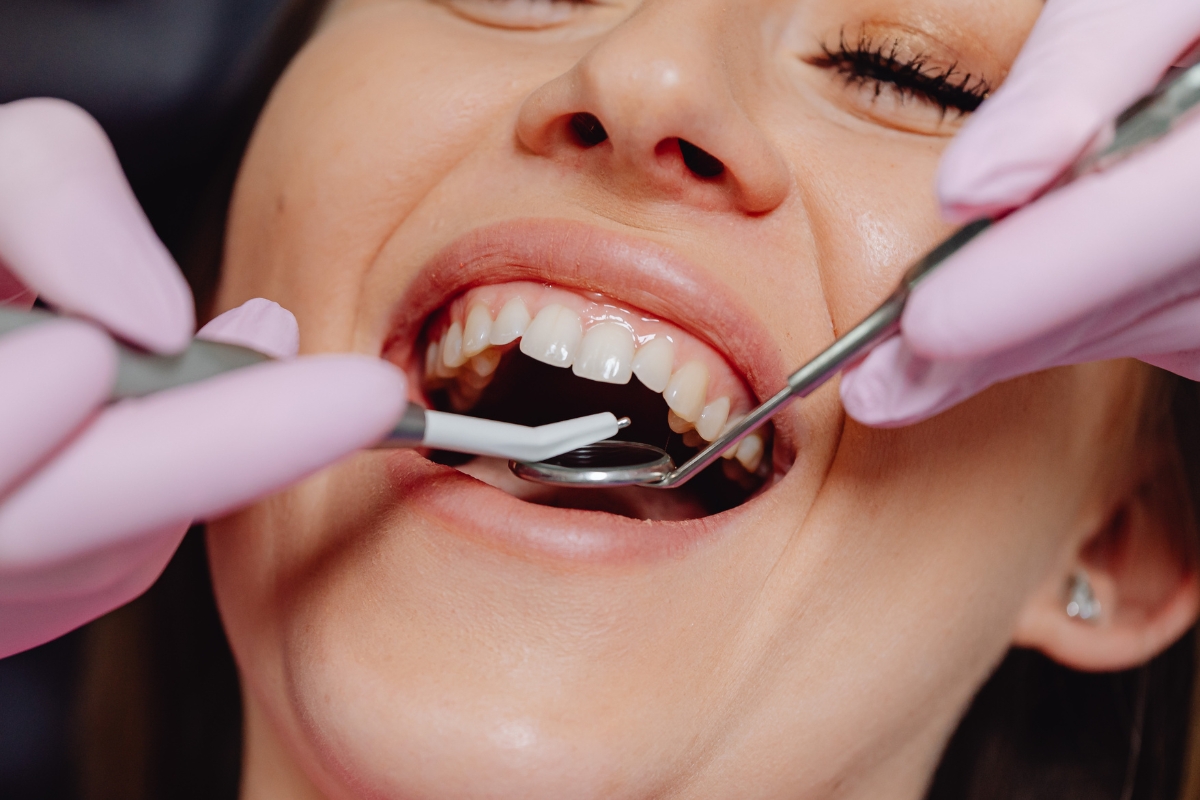
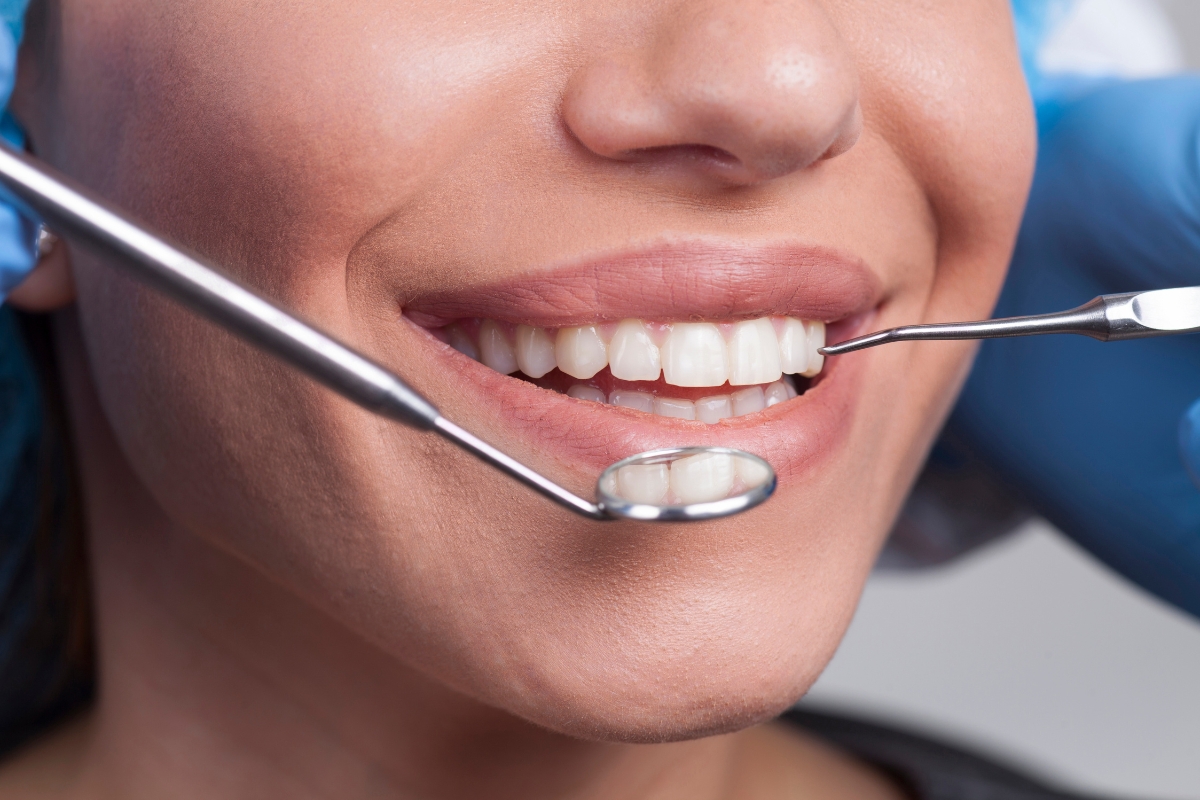
Visual examination identifies discoloration, early wear, or surface changes. Digital X-rays allow dentists to spot cavities invisible to the human eye. Present-day technology, like intraoral cameras, identifies even small problems. Laser cavity detection offers accurate readings without discomfort.
Frequent visits allow families to receive honest information on developing conditions. Restorative dentistry is assisted by the linkage of technology and clinical knowledge.
Signs You Need to Look Out For
You should note white spots on the enamel surface. Sensitivity towards hot, cold, or sweet foods indicates possible enamel damage. You may complain of having a localized toothache or persistent jaw pain.
Restorative therapy is needed when the pain affects eating and sleeping patterns. Watch for persistent bad breath that will not subside after brushing. People will steer away from chewing food on one side. Particles of food readily trapped between teeth also mean early trouble. Detecting such symptoms enables families to address problems before they become gigantic.
The Long-Term Benefits of Early Detection
Strong, healthy teeth allow us to chew, speak, and smile with assurance. Preventive care reduces dependency on multiple restorative treatments in the long term. Less invasive care builds long-term trust between patients and dentists.
Positive experiences result in frequent visits, protecting smiles into adulthood. Restorative care is a success when prevention is the foundation of dental health.
Early detection transforms dentistry by reducing reliance on restorative care. You can safeguard yourself from agonizing complications, costly therapy, and emotional distress. Every checkup reinforces lifelong oral hygiene practices. You should schedule visits for more radiant smiles tomorrow.
Restorative care performs best when prevention and detection become the focus. Checkups provide peace of mind while protecting forming smiles. Encourage yourself to value oral health early and build confidence for life.
FAQs
Can cavities be reversed?
In the early stages, cavities can be reversed with fluoride treatments, remineralization, or dental sealants. Prompt care can prevent the need for fillings or other restorative treatments.
Are cavities contagious?
Cavities themselves aren’t contagious, but the bacteria that cause tooth decay can spread through saliva. Sharing utensils or kissing can pass these harmful bacteria from person to person.
Can diet affect cavities?
Yes, a diet high in sugary or acidic foods can promote the growth of cavity-causing bacteria. Eating a balanced diet rich in vitamins and minerals helps protect your teeth from decay.
What are the long-term effects of untreated cavities?
Untreated cavities can lead to severe pain, tooth abscesses, tooth loss, and the need for extensive restorative treatments like root canals, crowns, or dentures, all of which can be costly and time-consuming.
Can I prevent cavities if I have sensitive teeth?
Yes, individuals with sensitive teeth can still prevent cavities by maintaining proper oral hygiene with gentle brushing, fluoride treatments, and regular dental visits, especially since sensitivity may indicate early enamel damage.