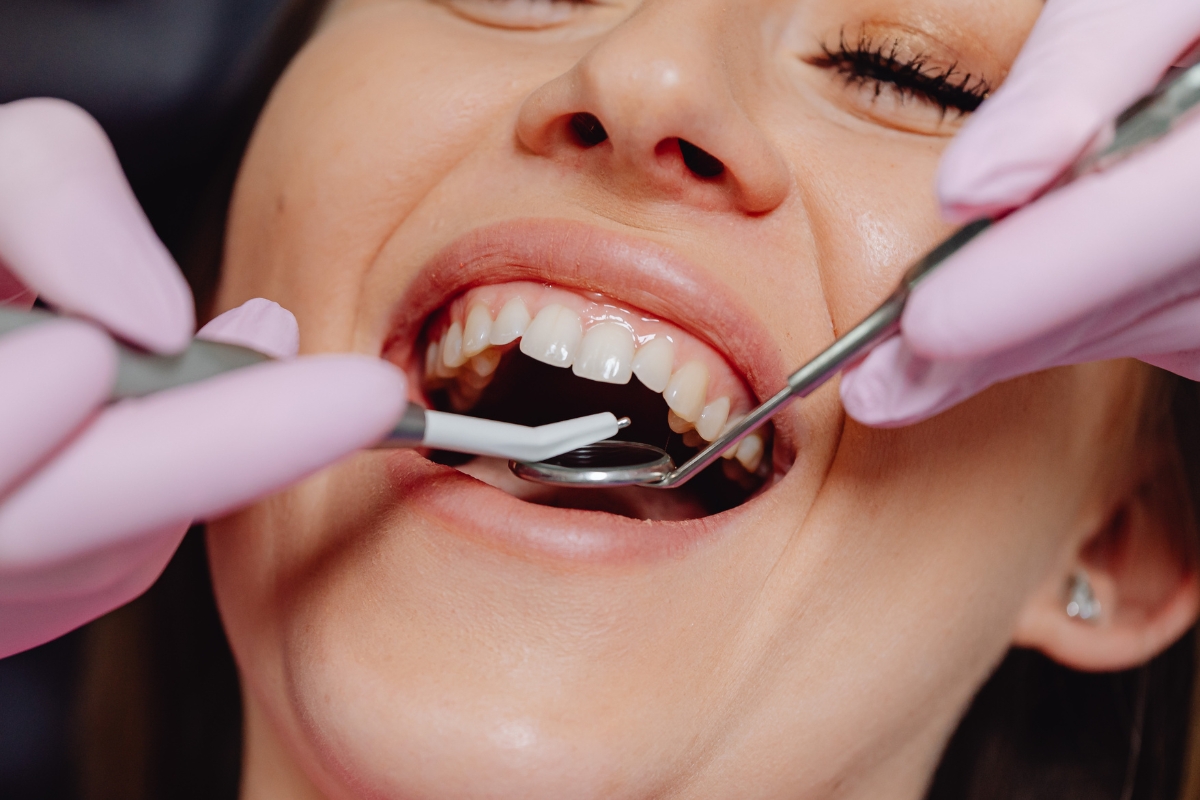

Taking care of your oral health goes beyond regular brushing and flossing. Sometimes, dental issues sneak in unnoticed, making it essential to act early. Early restorative dentistry plays a significant role in preventing long-term problems, helping to maintain not only your smile but also your overall health. Here’s why early intervention matters more than you might think.
What Is Restorative Dentistry?
Restorative dentistry involves treatments and procedures that restore the function and appearance of a patient’s teeth. This can include fillings, crowns, bridges, and other procedures that correct damage caused by cavities, decay, or injury. For kids, this may involve caring for developing teeth and preventing future complications.
By opting for restorative dental treatments early, patients can prevent more severe dental issues in the future. Catching problems early means less extensive treatments, fewer dental visits, and, most importantly, less discomfort for you.
Benefits of Early Intervention
- Preventing Serious Complications: Left unchecked, small dental issues can grow into major concerns. Early restorative care prevents these issues from becoming severe, such as cavities turning into infections or misaligned teeth leading to speech problems.
- Maintaining Healthy Teeth: Keeping your teeth healthy is essential. A healthy foundation will support your permanent teeth.
- Boosting Confidence: Dental issues can make people feel self-conscious about their smiles. Early treatment ensures that their teeth stay healthy and attractive, boosting self-esteem.
Common Restorative Treatments
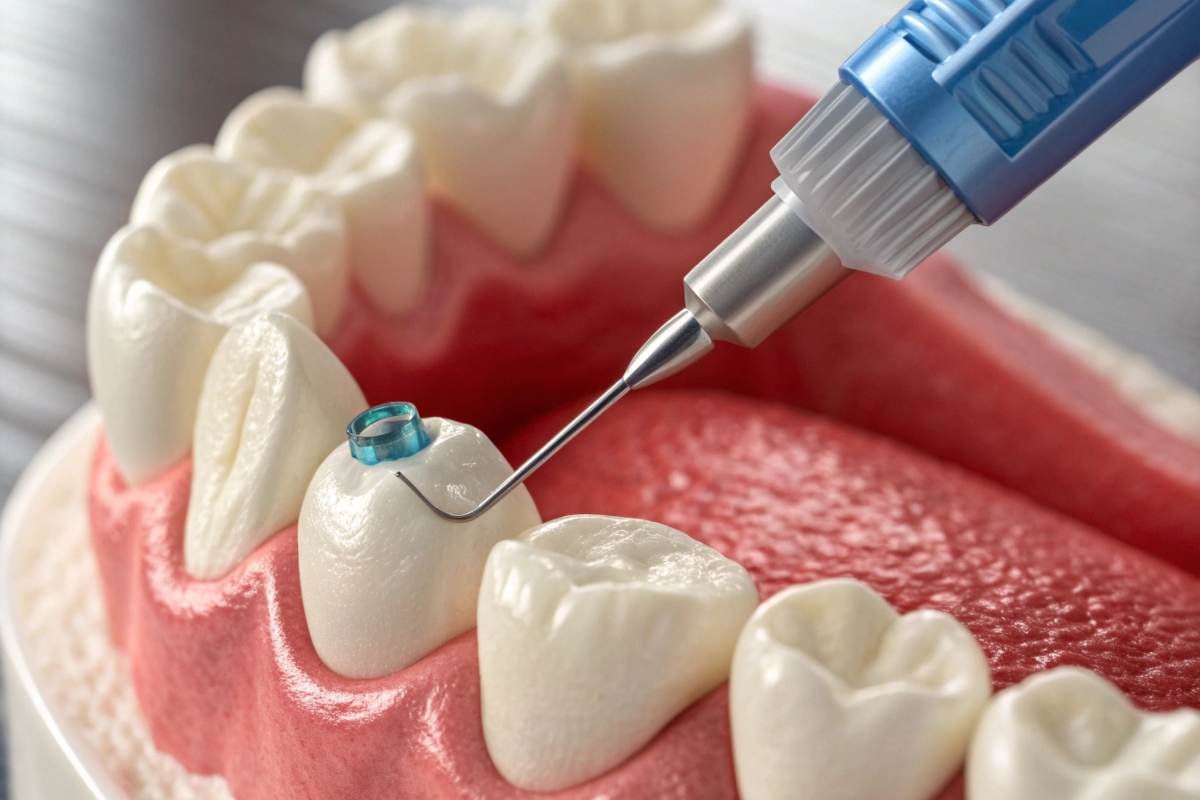
- Fillings: The most common restorative treatment is dental fillings. They help to restore teeth damaged by cavities. Early fillings prevent further decay and protect the tooth from breaking down.
- Crowns: If you have a severely damaged tooth, a crown can restore its shape, strength, and function. Crowns are often used to restore severely decayed or broken teeth.
- Sealants: Dental sealants act as a protective barrier on a child’s molars, preventing decay before it starts. It’s a simple, painless procedure that can help save teeth from cavities.
How to Know If You Need Early Restorative Dentistry
Many patients wonder when it’s the right time to seek restorative care. The answer depends on their oral health habits. Here are some signs that you may need restorative treatment:
- Tooth pain: If you’ve a severe toothache, it may be a sign of cavities or an infection.
- Visible cavities or cracks: If you notice dark spots on your teeth or cracks, it’s time to visit the dentist.
- Difficulty eating or chewing: If you have trouble chewing or experience pain while eating, restorative care may be necessary.
The Importance of Regular Dental Checkups
Even if there are no obvious signs of dental issues, regular dental checkups are essential. Early detection of cavities and other problems allows the dentist to intervene before the situation worsens.
Early restorative dentistry can make all the difference in your oral health. It not only prevents bigger issues down the road but also ensures that your smile brightens the room. Schedule a consultation with our trusted Irvine dentist for a healthy, confident smile for the future.
FAQs
1. How can I prevent cavities as an adult?
Maintaining good oral hygiene with regular brushing, flossing, and routine dental checkups is essential. Limiting sugary foods and drinks also plays a key role in preventing cavities.
2. What are the signs I might need a dental filling?
If you experience tooth pain, sensitivity to hot or cold, or notice visible dark spots or holes in your teeth, it may be time for a dental filling to restore your tooth.
3. Is restorative dentistry expensive?
Costs vary depending on the treatment, but early intervention through restorative care often prevents more expensive procedures down the road, helping you save in the long run.
4. How long does a dental crown last for adults?
With proper care, a dental crown can last between 10 and 15 years. Avoiding hard or sticky foods and maintaining good oral hygiene can extend its lifespan.
5. Can restorative treatments help with alignment issues?
Yes, restorative dentistry can address alignment issues by restoring the shape and function of teeth, ensuring better bite alignment, and improving overall dental health.