
Dental implants have become increasingly popular as people seek to replace missing teeth. They seem like natural teeth, feel like one, and last long with durability and stability. The entire dental implant procedure involves many stages, one of which is healing. Many people in this region wonder how long it actually takes to heal and what they generally expect in recovery. Understanding these things is significant for providing insights that help make your dental implant experience smooth and successful.
People who have opted for implants should be aware that the time for healing depends on many factors, such as the difficulty in performing surgery, your health, and the care you show to your post-surgery instructions. If you are considering dental implants because of a recent dental loss or as part of a long-term dental health plan, choosing the right dental office is crucial. This blog aims to help you understand what to expect in preparation, during, and after treatment so that you can care for your new implants during recovery.
How Long Does it Take for Dental Implants to Heal?
The entire process of getting dental implants usually takes 3 to 6 months for complete healing and implant integration. This can be shorter or longer depending on specific factors in the case, the patient’s general health, and whether the case will require additional procedures, such as bone grafting.
- Initial healing takes approximately 1 to 2 weeks.
- Osseointegration may take 3 to 6 months.
- Once the implant is fully integrated, the final restoration will be placed, usually within 1 month.
The Dental Implants Healing Stages
Healing from dental implants in Irvine occurs in stages. The process actually begins after the implant is placed in your jawbone. Here’s an overview of what you might expect during the period of healing.
1. Initial Recovery (First Few Days)
You will experience some swelling and discomfort following the implant procedure. This is normal and part of your body’s healing process. Most individuals go back to their normal activities after a few days. However, one should avoid strenuous activity as the body needs rest.
- Bruising and swelling may also occur around the implant site.
- Following your dentist’s advice for pain management and care instructions is essential.
- You might be prescribed antibiotics to prevent infection and promote proper healing.
- For the first few days, soft foods are recommended to prevent irritation or overload on the implant site.
- Also, smoking could be said to impede healing, so it is better avoided during this period.
2. The Osseointegration Phase (3 to 6 Months)
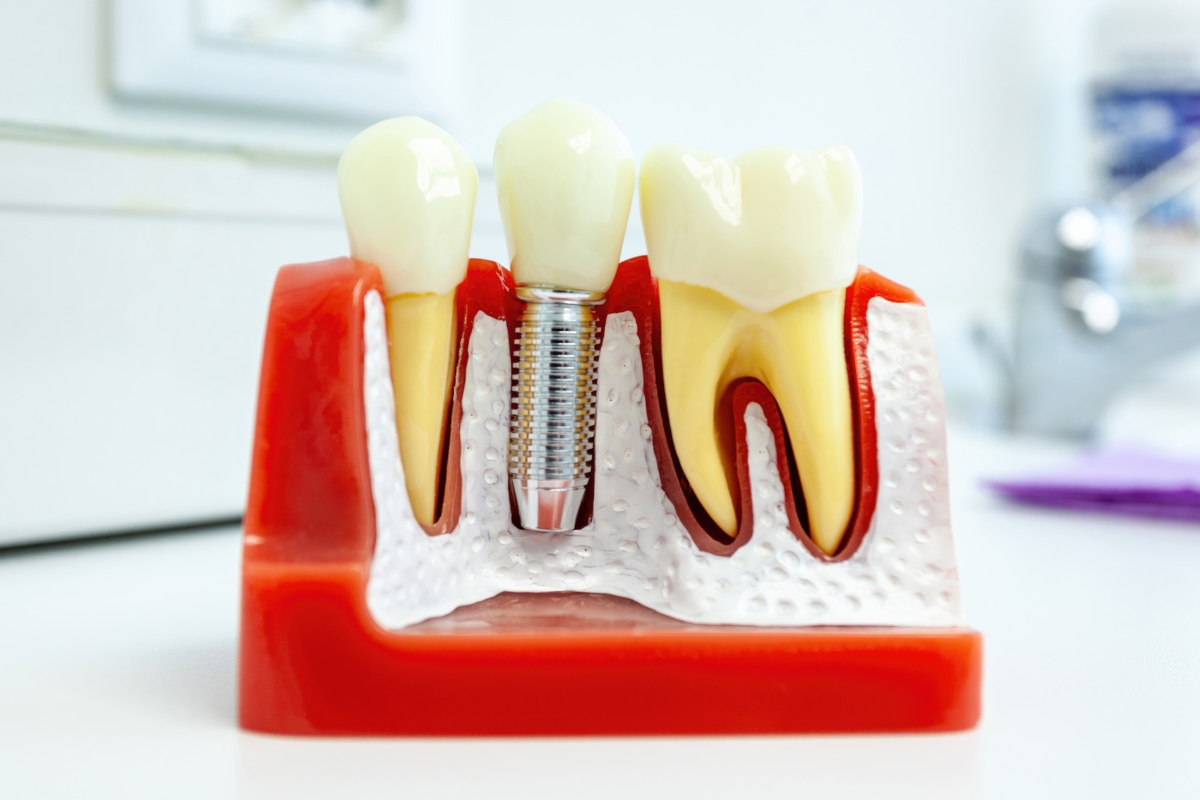
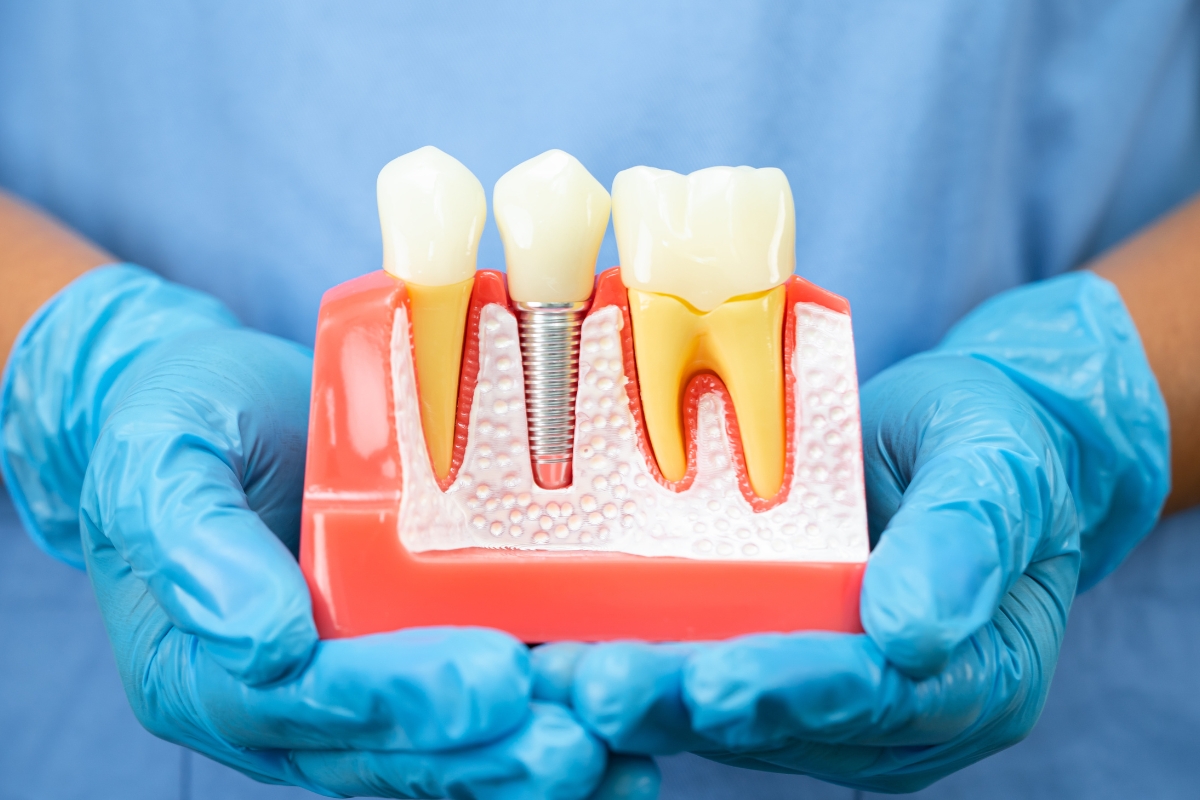
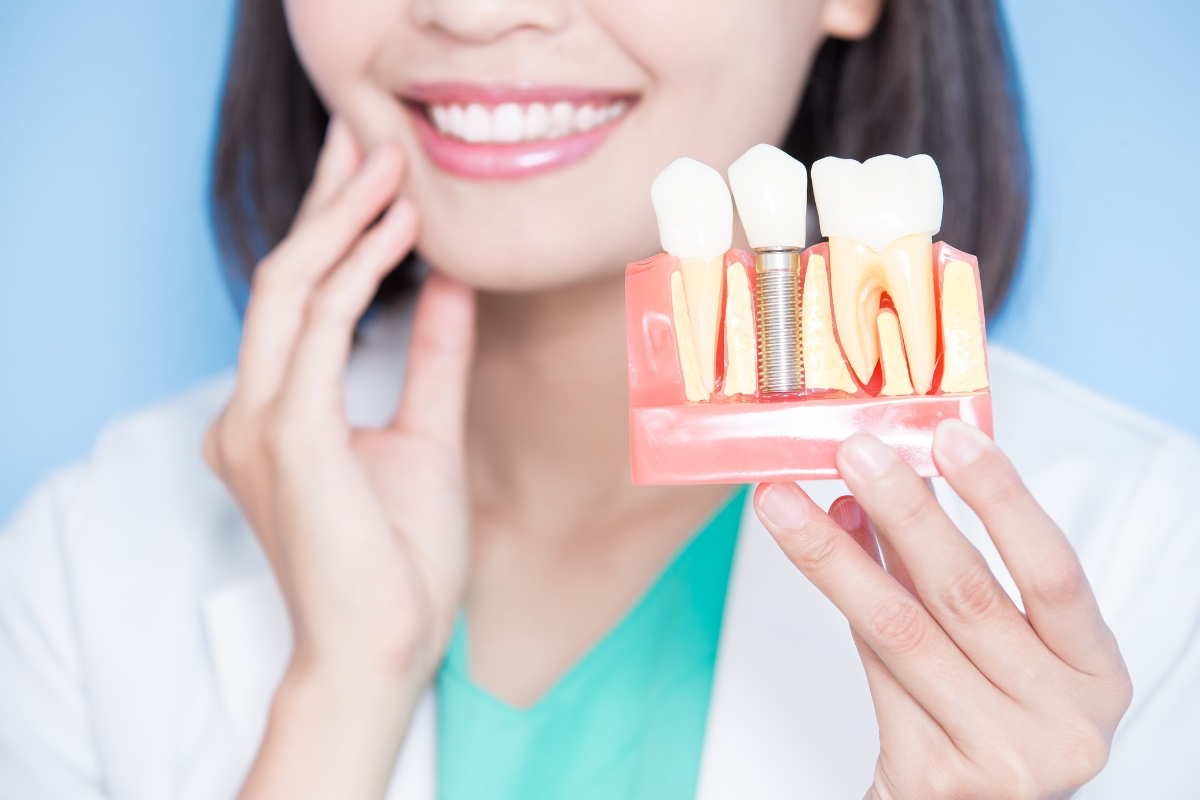
The implant needs time to integrate with the jawbone, a process called osseointegration. This is the most sensitive phase of dental implant treatment. The time required for this phase is generally 3 to 6 months. In this stage, your jawbone grows around the implant, securing it in place.
- Osseointegration provides stability and durability for the implant.
- You might be required to make subsequent visits to ensure the implant is fusing correctly with your bone.
- Every care must therefore be taken to avoid undue pressure on the implant during this phase to achieve the best results.
- This phase may involve limited dietary restrictions.
3. Abutment Placement (3 to 6 Months Following Surgery)
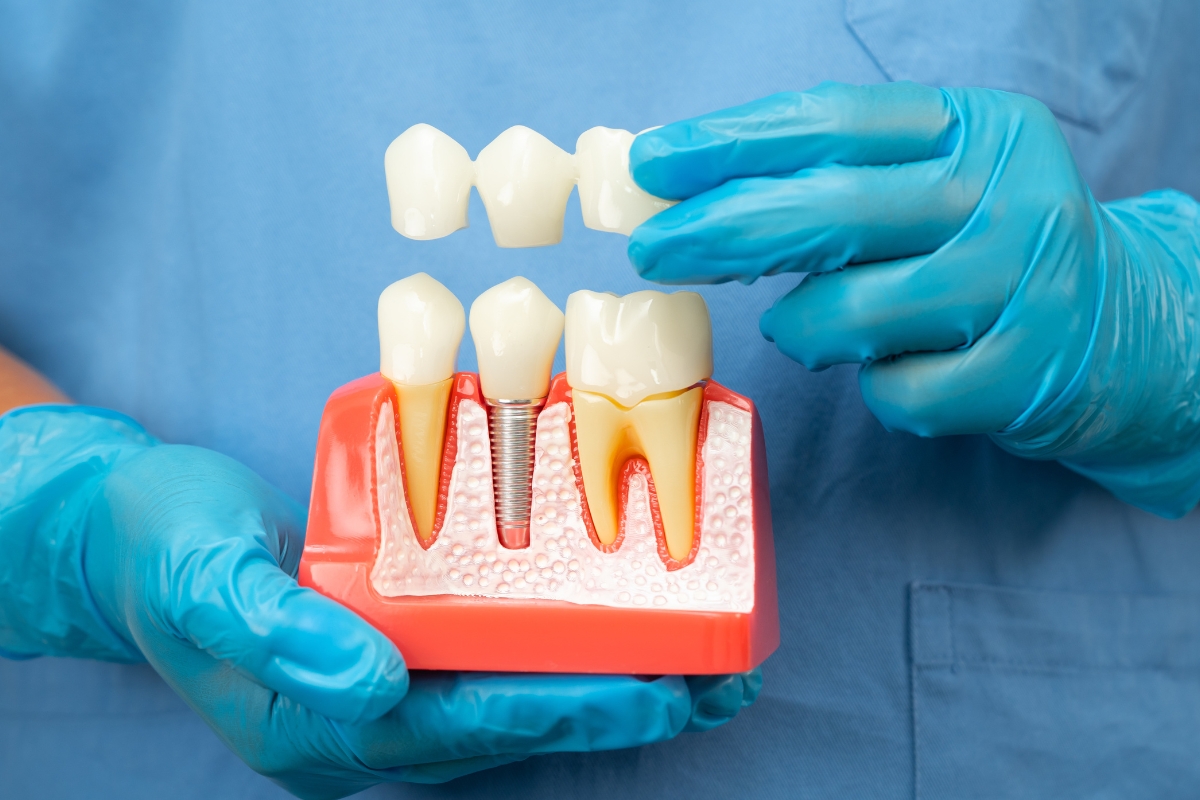
Once the implant has fully integrated with the bone, the abutment is placed, a small portion that connects the implant to the crown or bridge. This procedure is usually simple and may require a minor surgery to expose the implant.
- The abutment is placed under local anesthesia, and there is minimal discomfort.
- After the abutment is placed, you might feel minor soreness that is likely to disappear after a few days.
- This is the crucial step in ensuring your implant securely supports a permanent restoration, whether it is a crown or a bridge.
4. Last Stages of Restoration
After your implant has fully integrated with your jawbone and the abutment is in place, your dentist will attach a crown or bridge.
- The final restoration is tailored to your mouth and color-matched to your natural teeth.
- This is the stage at which the implant becomes functional and comfortable.
- When the implant is in place, you can enjoy your new teeth just like your natural ones.
Faster Healing Tips for Dental Implants
While most of the healing process for dental implants is beyond your control, you can do a few things to help it along and avoid complications. After placement, your dentist will give you a do-and-avoid list for recovery. This covers diet, medications to be taken, and the level of activity to be involved in. Follow your dentist’s postoperative instructions.
- Practice Good Oral Hygiene: Gently brush and floss around the implant site, if your dentist indicates it is safe to do so. This can help to prevent infection and speed your healing.
- Avoid Smoking: Tobacco reduces blood circulation to the gums, which could make it more difficult for an implant to bond with the bone.
- Avoid Hard Foods: For the first days of the recovery period, it is best to avoid hard, solid foods to avoid disturbing the implant.
- Follow-up Visits: Your dentist will need to check your progress by making sure your implant is healing properly.
When to Call Your Dentist?
While dental implants are permanent and reliable, there are a few signs that may indicate complications; you should call your dentist if:
- You have sharp pain or discomfort that persists for several days.
- You notice any signs of infection, such as redness, swelling, or pus.
- The implant is loose or unstable.
- Your gum tissue becomes inflamed or infected.
Your Path to a Beautiful Smile
If you are considering dental implants, you have made an excellent choice for restoring your smile. It is a progressive healing process. With the proper dental care and patience, your implants can last for many years. At Irvine Smiles Dental, we understand that dental procedures can feel overwhelming. Our team is here to guide you every step of the way.
Your new smile is waiting for you just around the corner. Whether you need post-procedure care or simply want to begin your journey with dental implants, we are more than happy to answer any further questions you may have. Give us a call today to schedule a consultation and take that first crucial step toward a healthier, even more confident smile.
FAQs
How long does the dental implant recovery process take?
The dental implant recovery process typically takes 3 to 6 months, including the time needed for the implant to integrate with the jawbone. Recovery times vary based on individual health and case complexity.
What can I do to speed up healing after getting dental implants?
To speed up healing, follow your dentist’s instructions, avoid smoking, maintain good oral hygiene, eat soft foods, and attend all follow-up appointments.
How do I know if my dental implant is healing correctly?
Proper healing signs include minimal pain, no infection symptoms, and a stable implant. Persistent swelling or discomfort should be reported to your dentist.
Can I eat normally after getting a dental implant?
Normal eating can resume after full healing and final restoration placement. During the healing phase, soft foods are recommended to protect the implant.
What are the risks of not following post-surgery instructions?
Ignoring post-surgery instructions may result in infection, delayed healing, or implant failure. Following care guidelines is essential for long-term success.