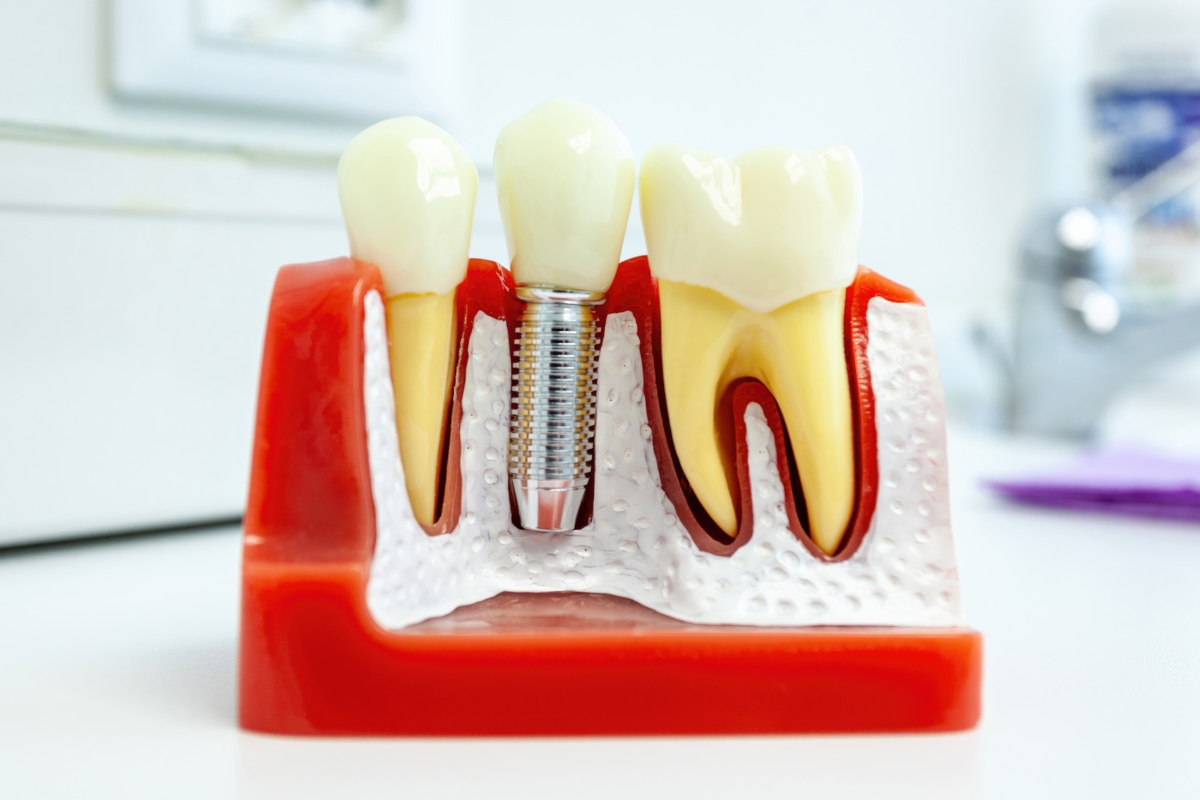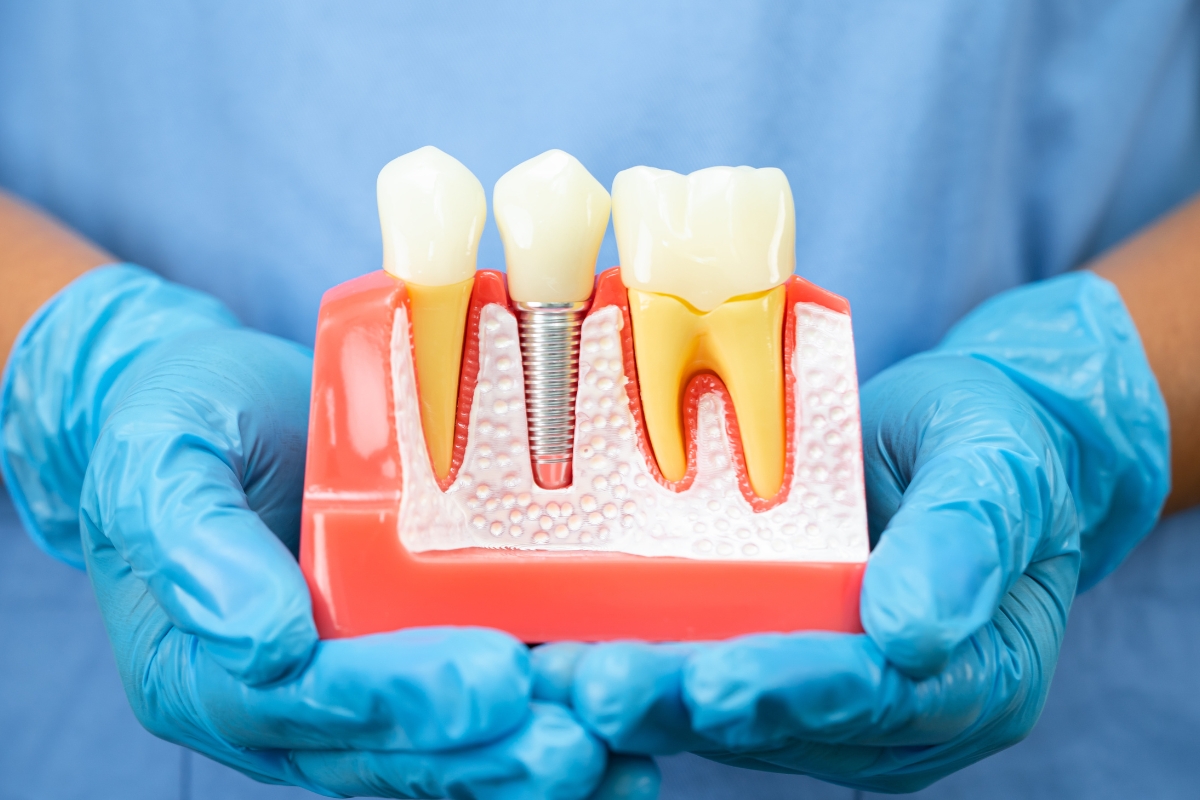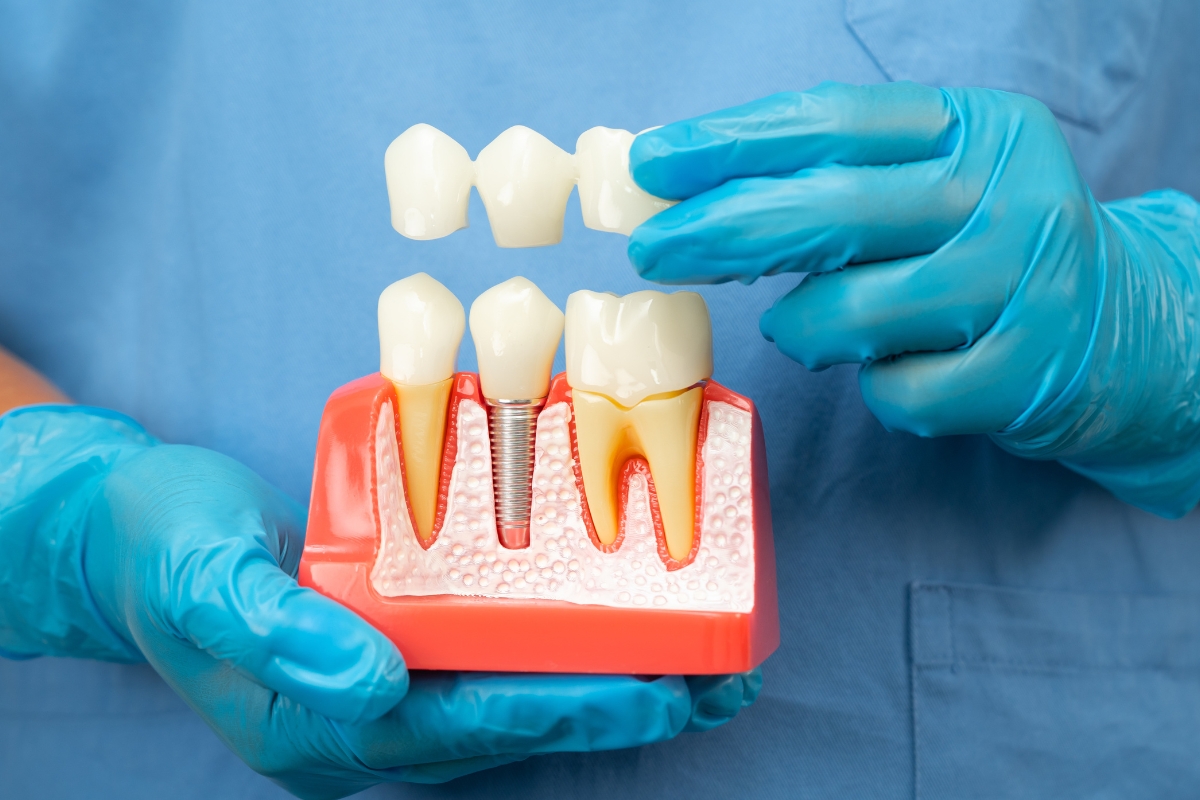


Many patients don’t fully understand how their lifestyle habits, like smoking, can affect the success of the dental implant procedure. Dental implants are a popular solution for replacing missing teeth, providing a permanent and natural-looking alternative to dentures and bridges. However, smoking can significantly impact the healing process, causing complications and even leading to implant failure.
In this blog, we’ll dive into how smoking interferes with dental implant success and provide helpful advice for those looking to ensure their implants are successful in the long term.
How Smoking Affects Dental Implants
Smoking is known to reduce blood flow to the gums, which is critical for healing after dental implant surgery. The healing process is complex and requires the gums to recover and integrate with the implant. Smoking slows this healing process and increases the risk of infection and complications.
1. Slower Healing and Delayed Osseointegration
The process of implant fusing with the jawbone is known as osseointegration. This is a vital part of the implant’s long-term success. Nicotine in cigarettes restricts blood flow to the gums, reducing the delivery of oxygen and essential nutrients that promote healing. As a result, osseointegration may take longer or fail, leading to implant failure.
2. Increased Risk of Infection
Smoking weakens the immune system. It makes your body fight off infections harder. After dental implant surgery, infection is a leading cause of implant failure. Smoking also leads to a dry mouth, which can increase the risk of bacteria buildup and oral infections, further compromising the healing process.
3. Gum Disease and Implant Failure
Gum disease is a known risk factor for implant failure, and smoking is a significant contributor. Smoking reduces the body’s ability to fight off the bacteria that cause gum disease. Even after dental implants are placed, smoking can lead to gum recession and bone loss around the implant, making it more likely that the implant will fail over time.
4. Poor Bone Health
In addition to affecting the gums, smoking can also impact bone health. Bone density is crucial for the stability of dental implants. Smoking can lead to a decrease in bone density, making it more difficult for the implant to properly integrate with the jawbone. This can result in implant failure or the need for additional procedures like bone grafting.
Tips for Smokers Considering Dental Implants in Irvine
While quitting smoking entirely is the best option for ensuring the success of your dental implants, it’s not always an easy step. However, there are steps you can take to reduce the risks associated with smoking and improve your chances of a successful implant procedure.
1. Consider Quitting Before Surgery
You should steer clear of smoking for at least two weeks before your dental implant surgery. This will allow your gums and bone to receive the nutrients and oxygen needed for a quicker recovery. If you’re planning to undergo dental implant surgery in Irvine, speak with your dentist about your smoking habits and work together to develop a plan to ensure the best possible outcome.
2. Follow Post-Surgery Instructions Carefully
After your dental implant procedure, follow all aftercare instructions closely. This includes avoiding smoking for as long as possible to allow proper healing. Smoking immediately after the surgery can increase your chances of complications and implant failure.
3. Maintain Excellent Oral Hygiene
Good oral hygiene is always essential, but it becomes even more important if you smoke. Smoking increases plaque buildup, so brushing and flossing regularly is vital to keeping your gums and implants healthy. Regular checkups with your dentist will also help monitor the health of your implants and surrounding tissues.
Why Smokers Should Be Aware of Implant Risks
Dental implants are an investment in your oral health, and it’s important to take the necessary steps to ensure their success. If you are a smoker, it’s crucial to be fully aware of the risks associated with smoking and dental implants. By quitting smoking or reducing your smoking habits before and after surgery, you can significantly increase the chances of your implants being successful and long-lasting.
If you’re considering dental implants in Irvine, schedule a consultation with Irvine Smiles Dental today. We’ll help you understand the best ways to ensure your implants are successful and last a long time.
FAQs
How long should I wait to smoke after dental implant surgery?
It’s recommended to wait at least two weeks after dental implant surgery before smoking. Smoking during the recovery period can disrupt healing and increase the risk of complications.
Can smoking cause dental implant failure?
Yes, smoking can significantly reduce the chances of successful osseointegration, increase the risk of infection, and contribute to gum disease, all of which can lead to implant failure.
Is it safe to smoke with dental implants?
While smoking is not ideal after dental implant surgery, smoking in moderation is less harmful than smoking immediately after the procedure. However, it still poses risks to implant success.
What should I do if I can’t quit smoking before my implant procedure?
If quitting smoking is not an option, speak to your dentist about ways to reduce risks. They may recommend additional treatments or steps to improve healing after surgery.
How can smoking affect my gums and dental implants?
Smoking reduces blood flow to your gums, making it more difficult for them to heal and fight off infections. This can cause gum recession and bone loss, leading to implant failure.