
Tooth removal raises one clear question: how soon can the missing tooth be replaced? For many people, waiting months feels frustrating, especially when the tooth affects chewing, speech, or appearance. Dental implants may sometimes be placed right after extraction, but only when the bone, gums, and overall oral health support that choice.
Immediate implant placement can reduce the number of treatment steps. It may also help protect the jawbone after a tooth is removed. Still, it is not right for every case. The safest answer depends on why the tooth needs to be removed, how healthy the area is, and whether the implant can sit firmly in the bone.
What Does Immediate Implant Placement Mean?
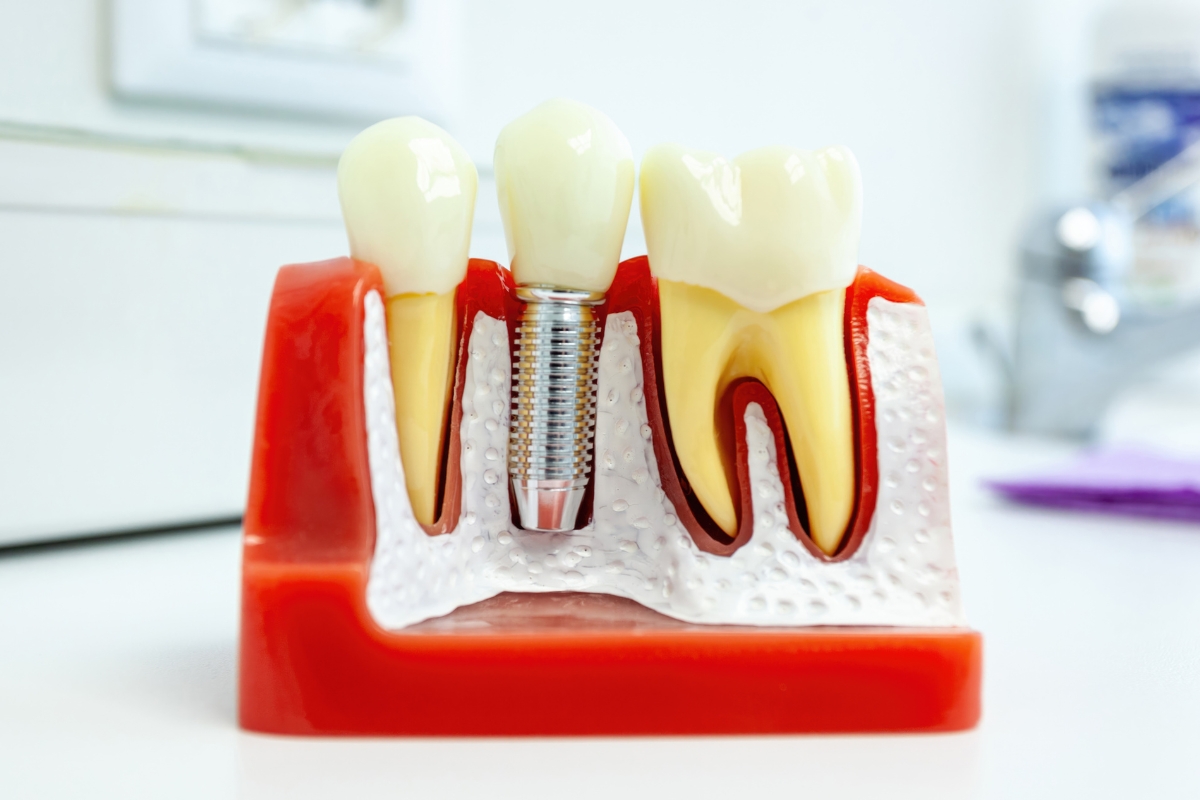
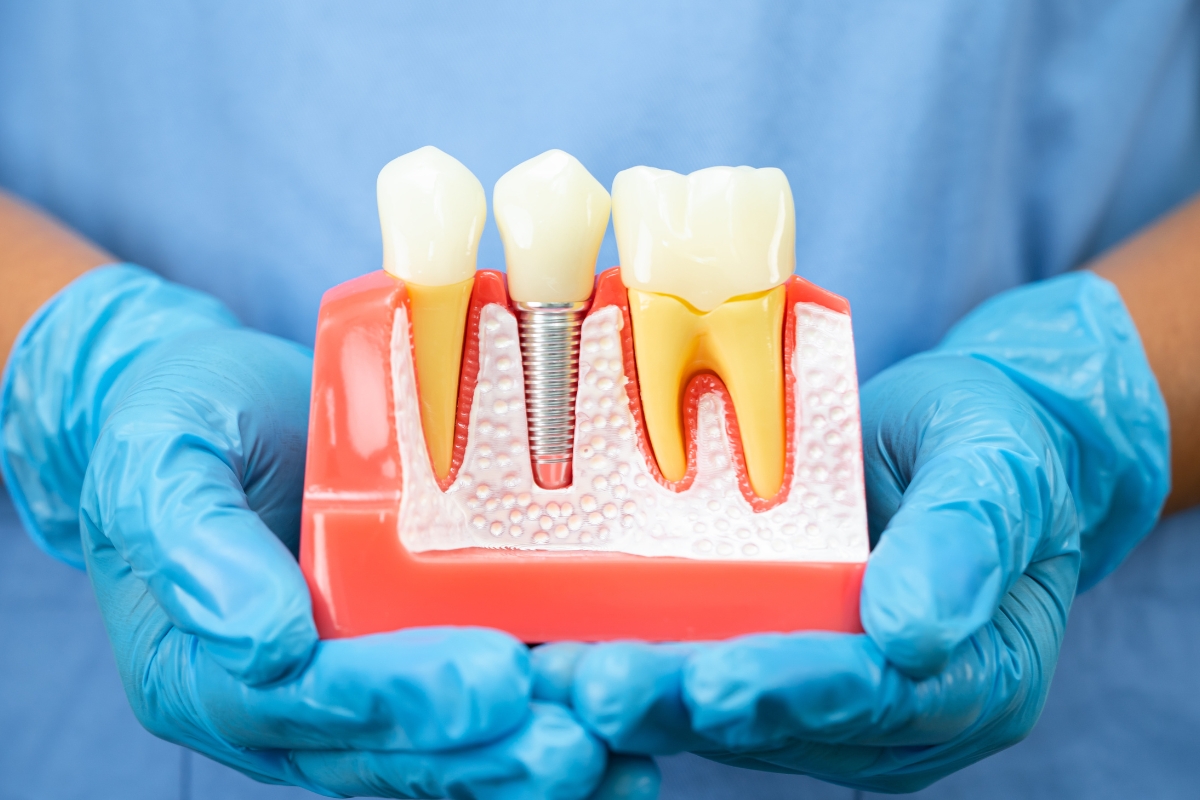
Immediate implant placement means the implant post is placed during the same visit as the tooth extraction. The damaged tooth is removed first. Then the implant is positioned in the empty socket.
This does not always mean you receive the final crown that same day. In many cases, dental implants in Irvine still need time to heal and bond with the bone. A temporary tooth may be used when suitable.
The goal is simple. Replace the tooth root early and support the area before bone shrinkage begins.
When Can an Implant Be Placed Right After Extraction?
This option works best when the extraction site is healthy enough to hold the implant securely.
You may be a possible candidate if:
- The tooth is damaged, but the surrounding bone is strong
- There is no major infection
- The gum tissue is healthy
- The socket shape can support implant placement
- You do not smoke or have healing concerns
- Your bite does not place too much pressure on the area
For Irvine residents near Woodbridge, Turtle Rock, Northwood, or University Park, this approach can be helpful, as it may reduce the need for extra appointments. Still, convenience should never come before safety.
When Is Waiting a Better Choice?
Sometimes, delayed implant placement yields better results. This is common when the area needs more healing first.
Waiting may be recommended if:
- There is an active infection
- Bone loss is present
- The gum tissue is inflamed
- The tooth was removed due to severe gum disease
- Bone grafting is needed
- The implant cannot be placed firmly
In these cases, the site may need time to heal before the implant is added. This can improve stability and reduce the risk of failure.
Why Bone Health Matters So Much
A dental implant needs strong bone support. After a tooth is removed, the jawbone in that area can slowly shrink because it no longer has a tooth root to support.
Immediate placement may help limit this change. However, it cannot fix every bone problem. If the bone is thin or weak, grafting may be needed.
Bone grafting adds support to the area. It helps create a better foundation for the implant. Your provider may suggest it during extraction or before implant placement, depending on your case.
Benefits of Immediate Implant Placement
When the conditions are right, immediate placement can offer real benefits.
These may include:
- Fewer surgical visits
- Shorter overall treatment time
- Better support for gum shape
- Less bone loss after extraction
- Earlier replacement planning
- A more streamlined process
This can be useful for people with busy schedules around Irvine Spectrum, UCI, or the business district. However, the main benefit is not speed. It is preserving oral structure when your mouth is ready for it.
Possible Risks You Should Know
Immediate placement is safe when planned correctly, but it does carry risks if done in the wrong situation.
Possible concerns include:
- Poor implant stability
- Delayed healing
- Infection around the site
- Gum recession
- Implant failure
- Need for additional treatment later
This is why a full evaluation matters. Digital imaging, oral exams, and bite checks help determine whether same-day placement is a wise option.
What Happens During the Procedure?
The process usually follows a careful sequence.
First, the tooth is removed gently. The area is cleaned to remove damaged tissue or infection. The dentist then checks the socket and bone support.
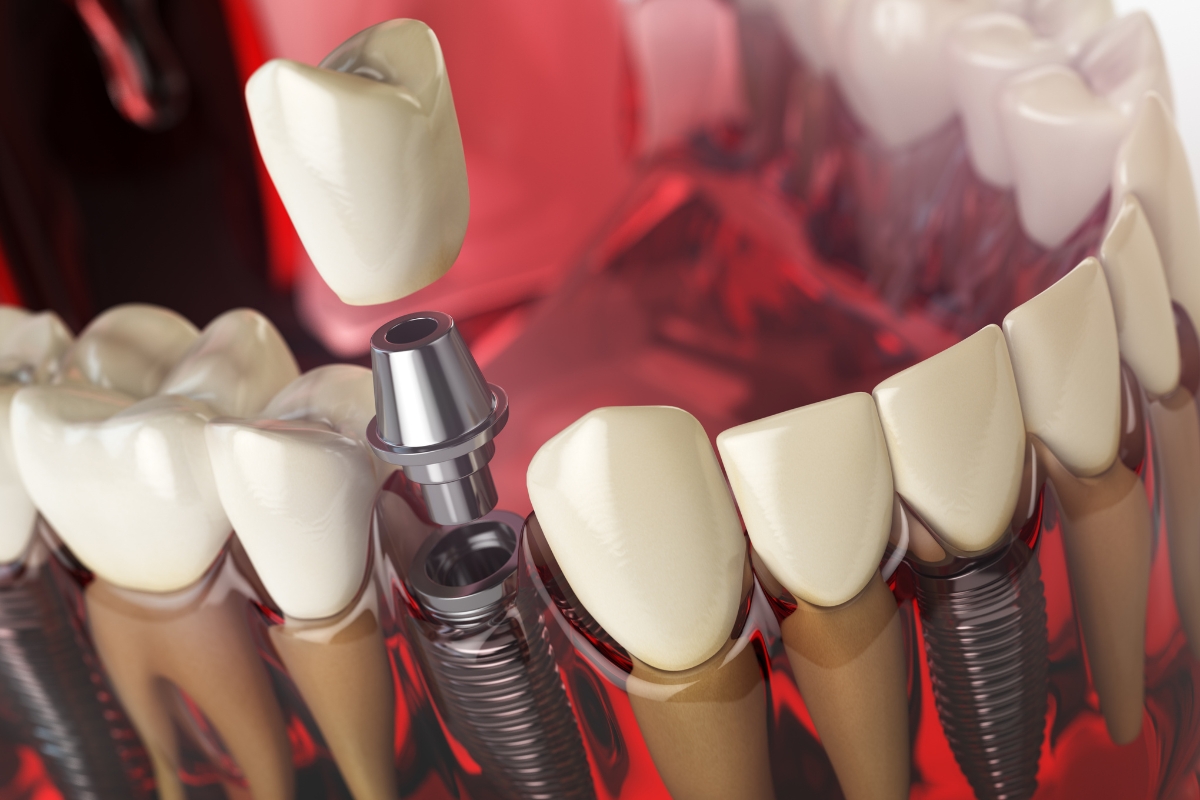
If the site is suitable, the implant post is placed into the bone. Sometimes a bone graft is added around the implant for extra support. A temporary tooth may be placed if the implant is stable enough.
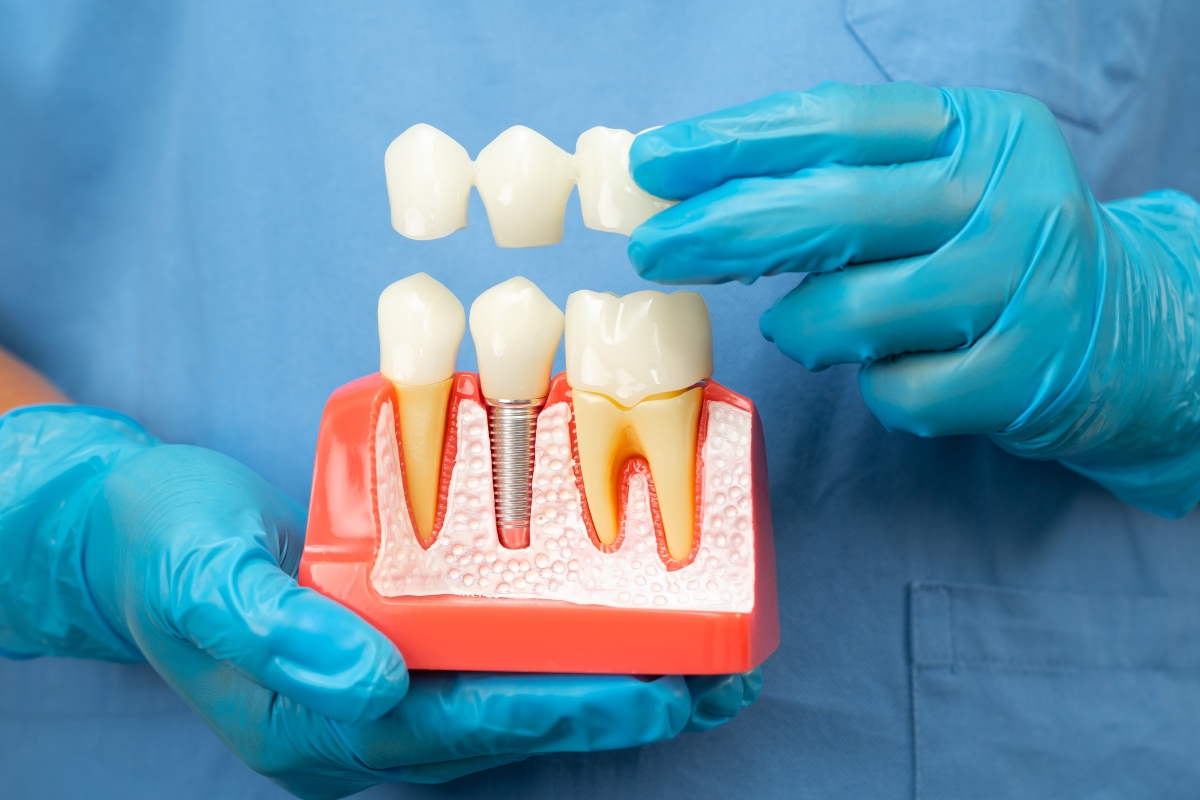
The final crown is usually added after healing. This healing phase allows the implant to bond with the jawbone.
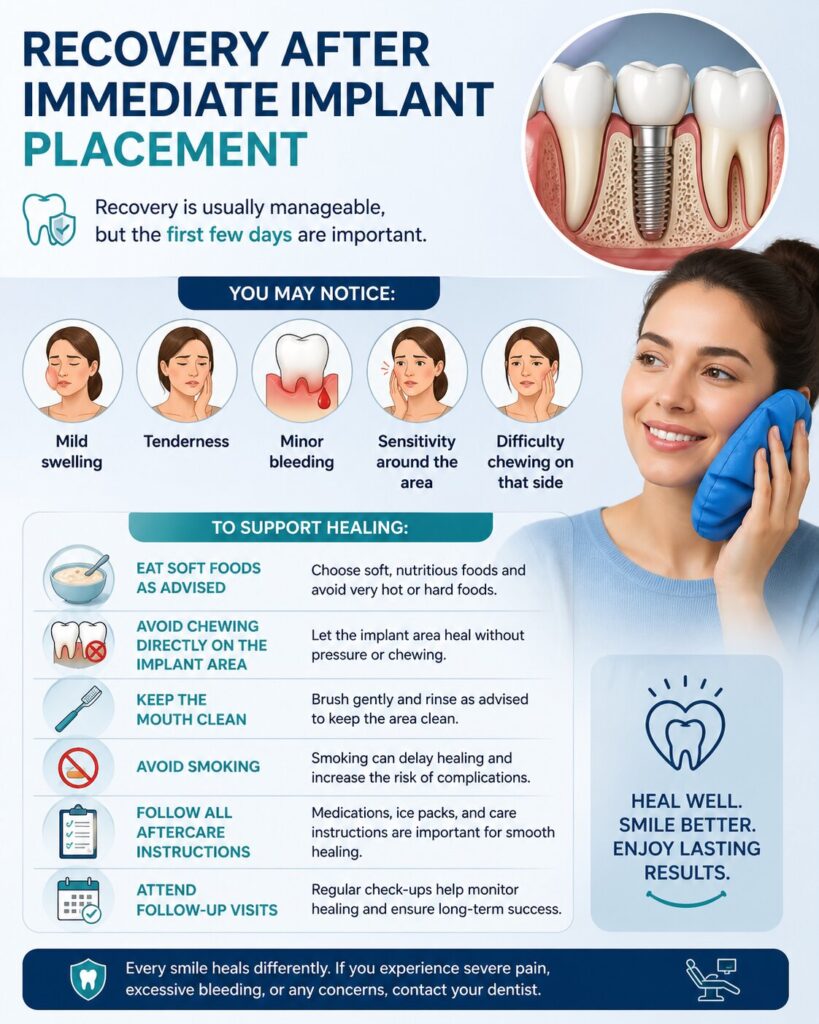
Recovery After Immediate Implant Placement
Recovery is usually manageable, but the first few days are important.
You may notice:
- Mild swelling
- Tenderness
- Minor bleeding
- Sensitivity around the area
- Difficulty chewing on that side
To support healing:
- Eat soft foods as advised
- Avoid chewing directly on the implant area
- Keep the mouth clean
- Avoid smoking
- Follow all aftercare instructions
- Attend follow-up visits
If pain increases, swelling worsens, or bleeding does not slow down, contact your dental provider.
How to Decide If It Is Right for You
The right choice depends on your mouth, not just the treatment option. Immediate placement may sound appealing, but it should only be done when the site can support it.
An Irvine Dentist will usually review:
- Bone quality
- Gum health
- Infection risk
- Medical history
- Bite pressure
- Tooth location
- Healing ability
Front teeth often need extra planning because appearance matters. Back teeth need strong support because they handle more chewing pressure.
A Practical Choice Starts With the Right Evaluation
Immediate implant placement can be a smart option when the tooth socket is healthy, the bone is strong, and healing conditions are favorable. It can reduce the number of treatment steps and help protect the jawbone after extraction. For those considering dental implants in Irvine, this approach may offer a more efficient path when the conditions are right.
But it is not always the better choice. Some people get stronger long-term results by waiting, healing, and preparing the area first. The goal is not the fastest treatment. The goal is a stable result that supports daily chewing, comfort, and oral health.
If you are facing a tooth extraction, ask about your replacement options before the tooth is removed. Early planning gives you more control and helps avoid rushed decisions.
Plan Your Next Step With Clear Guidance
If you are considering tooth extraction and implant treatment, Irvine Smiles Dental can help you understand whether immediate placement is right for your situation. Schedule a visit to review your options and develop a plan that fits your oral health needs.
Common Questions People Ask
Can a dental implant always be placed the same day as an extraction?
No. Same-day placement depends on bone support, gum health, infection level, and implant stability. If the area is not ready, waiting may yield better results.
Is immediate implant placement painful?
The area is numbed during treatment, so you should not feel sharp pain during the procedure. Mild soreness, swelling, or tenderness can happen afterward and usually improves with proper care.
How long does the implant take to heal?
Healing often takes several months. During this time, the implant bonds with the jawbone. The final crown is usually placed after the implant becomes stable.
Do I need bone grafting with immediate placement?
Some patients do. Bone grafting may be added if the socket needs extra support. It helps improve the foundation around the implant.