

Accidents happen. One minute you’re enjoying a game, and the next, you’ve knocked out a tooth. Did you know that your first steps can make or break your chance of saving it? Timing is critical when a tooth is knocked out. The faster you act, the higher the chance of successful re-implantation.
This blog will guide you on the immediate steps you should take if you lose a tooth, ensuring that you don’t lose it for good.
What Happens When a Tooth is Knocked Out?
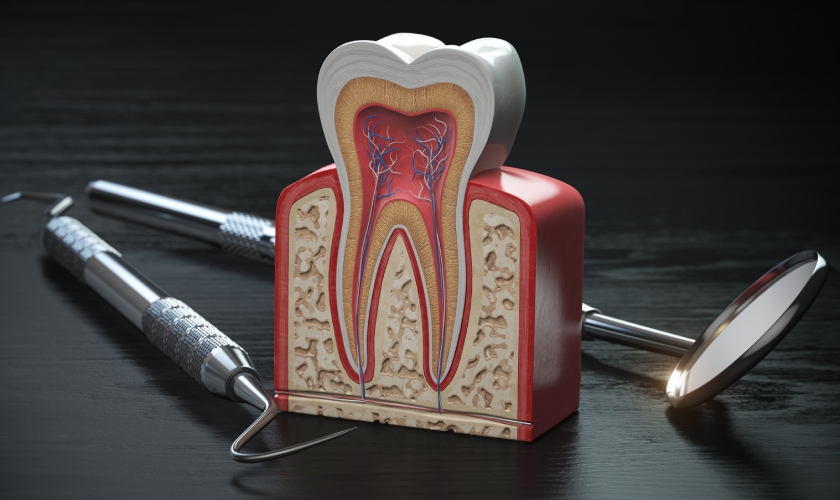
A tooth is a complex structure made of enamel, dentin, and pulp, with nerves and blood vessels. When a tooth is knocked out, it can be dislodged completely or partially. If the tooth is intact and still in good condition, immediate action could save it. However, re-implanting the tooth is time-sensitive.
The best chances of saving the tooth occur if it’s re-implanted within 30 minutes. The longer you wait, the more difficult it becomes for the tooth to reattach to the gum and bone. Every minute counts!
Immediate Steps to Take After a Knocked-Out Tooth
- Find the Tooth: The first thing to do is find the tooth as soon as possible. Handle it by the crown (the visible part), avoiding the root to prevent damage to the delicate tissue.
- Rinse the Tooth Gently: If the tooth is dirty, rinse it under lukewarm water for 10-20 seconds. Never scrub or use soap, as that can damage the tissue on the root.
- Keep the Tooth Moist: Keep the tooth moist to preserve its cells. Place it back into the socket, making sure it’s facing the correct way. If that’s not possible, store it in a container with milk or your saliva.
- Contact Your Emergency Dentist: Contact your emergency dentist in Irvine immediately, even if the tooth looks fine. Time is critical to ensure the tooth has the best chance of survival.
What to Avoid When a Tooth Is Knocked Out
- Don’t Touch the Root: Never touch the root of the tooth. Doing so can damage the tissue and prevent it from reattaching.
- Don’t Use Water to Rinse: Water can wash away essential cells needed for reattachment. Always use milk or saliva to keep the tooth moist.
- Don’t Wait Too Long: The longer you wait to seek help from an emergency dentist, the less likely the tooth is to be saved. Prompt action is essential to improve your chances of saving the tooth.
How Emergency Dentists Replant Knocked-Out Teeth
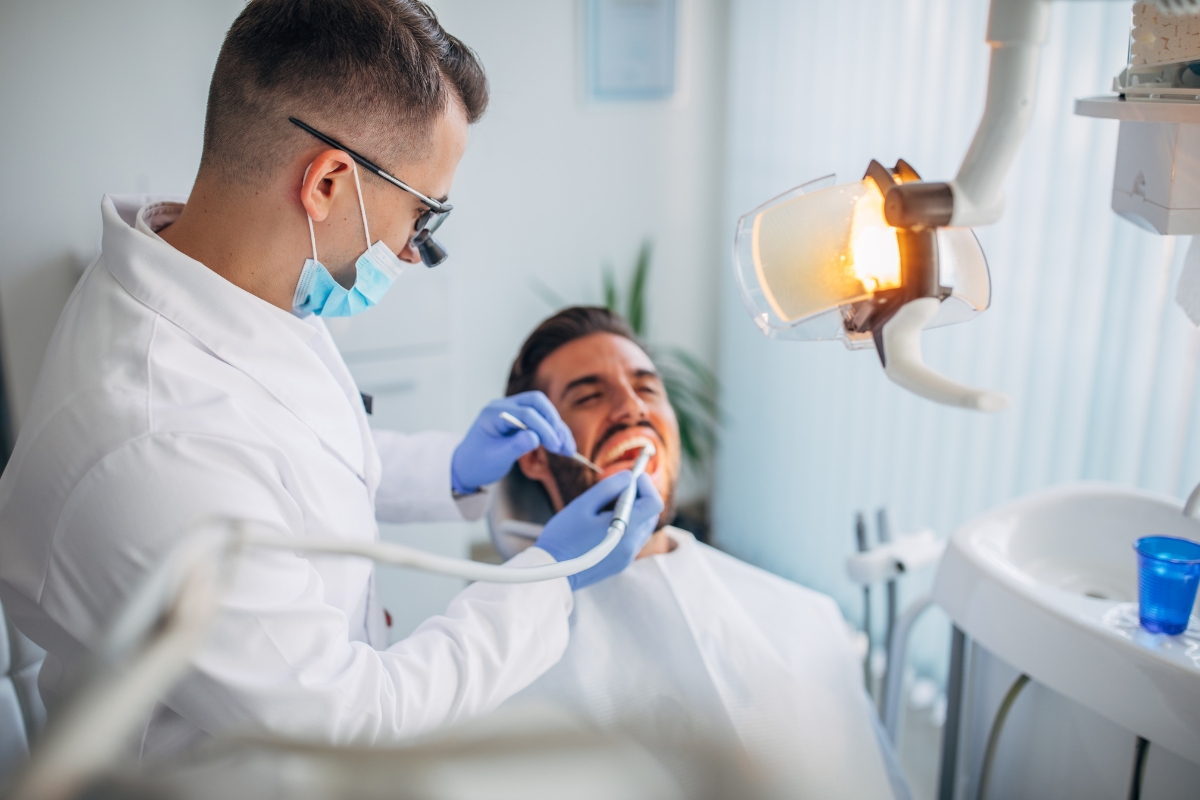
When you arrive at the emergency dentist’s office, they’ll first assess the tooth and the socket. They’ll check for any damage to the tooth and surrounding gums. The socket will be cleaned to remove any debris or bacteria.
The emergency dentist in Irvine will then attempt to re-implant the tooth, securing it in place. If re-implantation isn’t possible, they might discuss other treatment options. After the procedure, follow-up visits are necessary to ensure the tooth heals properly.
Acting fast can mean the difference between saving your tooth and losing it. Find the tooth, keep it moist, and contact your emergency dentist immediately. Quick action increases the chances of re-implantation and ensures your tooth’s survival. Don’t wait. Call your dentist now for immediate care!
FAQs
Can a knocked-out tooth be saved after 30 minutes?
If a tooth is re-implanted within 30 minutes, the chances of saving it are higher. After 30 minutes, the tooth’s root cells begin to deteriorate, making re-implantation harder.
Can I still save a tooth that looks dirty or damaged?
Even if a tooth looks dirty or slightly damaged, immediate action can still save it. Contact an emergency dentist right away, who will assess and clean the tooth for re-implantation.
What are the risks of delaying treatment for a knocked-out tooth?
Delaying treatment increases the risk of the tooth not reattaching properly. Infection, gum damage, and bone loss are possible, making it essential to see an emergency dentist as quickly as possible.
Can I still save a tooth if I accidentally bite it out?
Whether you knock out a tooth through an accident or biting, immediate action is critical. Follow the same steps to find, clean, and store the tooth, and contact your emergency dentist.What signs should I watch for after a re-implanted tooth?
After re-implantation, watch for signs of infection, swelling, or pain. Contact your emergency dentist if you experience these symptoms to ensure proper healing and avoid complications.