

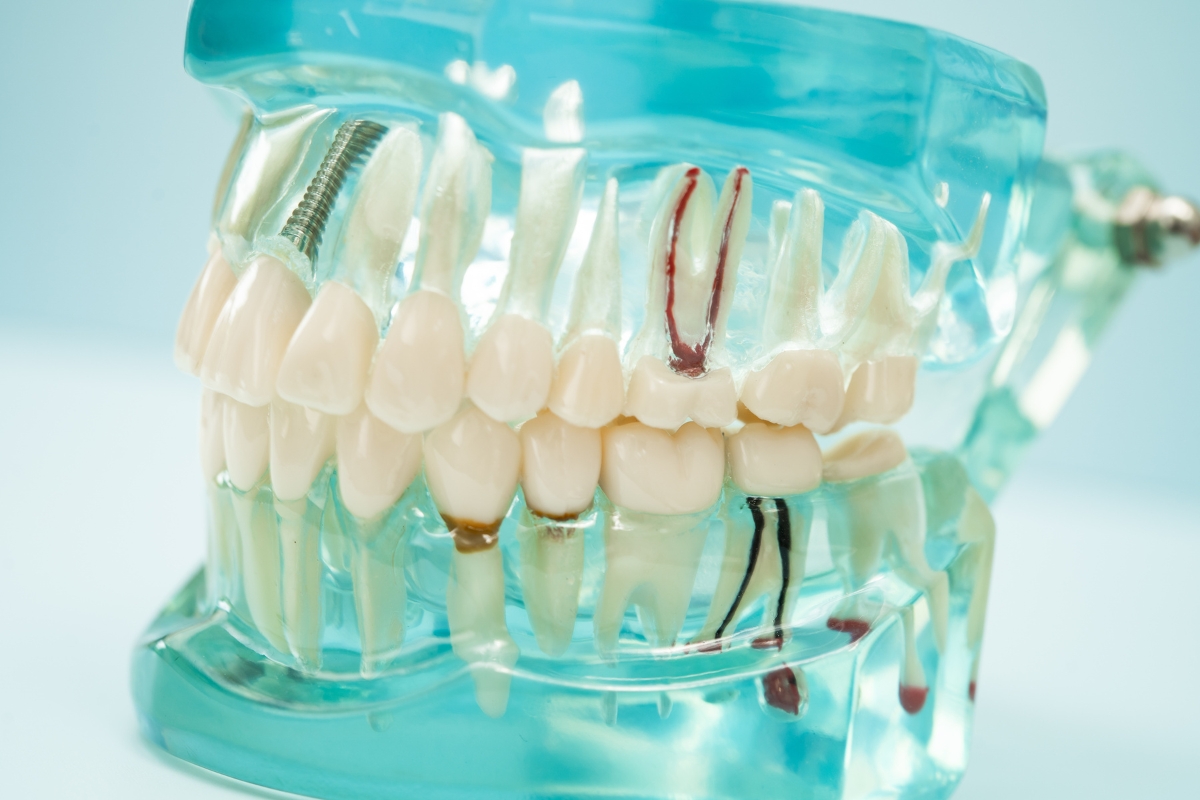
Effective Obturation Methods for Successful Root Canal Treatment
Root canal treatment is often the go-to solution for preserving a tooth that’s severely infected or damaged. If your dentist has told you that your tooth will need a root canal, it’s important to learn how to properly prepare for your upcoming treatment. One of the most important aspects of preparing for a root canal is understanding obturation. This blog discusses several effective methods of obturation, along with helpful information on preparing for and recovering from a root canal.
What is Obturation in Root Canal Treatment?
After your dentist has cleaned out all of the infected tissue from inside the tooth, the dentist will then fill in the cavity (or cleaned root canal) to help keep the area sealed, so that no more bacteria can infect the cavity. This process is called Obturation, a very important step in root canal therapy because it helps keep bacteria out of the infected area and keeps it clean and free of infection.
Obturation’s main purpose is to fill each cleaned root canal with a material that effectively blocks it and prevents additional bacteria from reentering. When performed properly, obturation can significantly improve the long-term success rate of root canal treatment in Irvine, helping you maintain your tooth for years.
Why Effective Obturation is Important
Effective obturation not only prevents the re-entry of bacteria but also strengthens the tooth. The key reasons why obturation is most essential in the overall success of root canal treatment are as follows:
- Prevents Re-infection: A well-sealed root canal prevents reinfection by bacteria and avoids another infection that might lead to treatment failure.
- Preserves the Structure of the Tooth: Proper obturation alone provides the tooth with the ability to withstand the pressures of routine activities, such as chewing, without further damage or discomfort.
- Stimulates Healing: The sealing of the canal allows the surrounding tissues to heal properly and permits the tooth to return to normal function.
Common Methods of Obturation
These are different materials and techniques used to ensure a proper seal during root canal treatment in Irvine. Each of these methods has certain advantages, and your Irvine dentist will select the best one for you. Now, let’s explore some of the most common obturation methods:
1. Gutta-Percha
The most common obturation material is gutta-percha. It is a rubber-like, biocompatible, and flexible substance, hence preferred for root canal filling. Gutta-percha has a very high success rate and can effectively create a seal that prevents reinfection.
How it works:
- Gutta-percha is inserted into the cleaned root canal, often after being softened by heat.
- The material is then compacted into the canal, creating a tight seal.
2. Resilon
Resilon is a more modern material that has gained popularity because of its superior bonding to tooth structure compared to gutta-percha. It is a root canal filling material that is thermoplastic, hardens at room temperature, and is well-known for its sealing capacity.
How it works:
- Resilon is more flexible than gutta-percha and offers improved sealing properties.
- It is also preferred in this manner because of its stronger affinity for root canal walls, which may lower the risk of post-procedure tooth abscess.
3. Thermoplasticized Gutta-Percha
In this technique, heated gutta-percha is used. The process involves injecting heated gutta-percha into the root canal. The advantages of the thermoplasticized gutta-percha include the ability to flow easily into the root canal.
How it works:
- The gutta-percha is now heated to facilitate injection. It is now injected into the canal.
- This method is very helpful when there are complex root canal systems.
4. Bioceramic Materials
Bioceramic obturation materials are considered a relatively recent choice for root canal procedures. The materials exhibit excellent sealing properties and are highly biocompatible. Bioceramics are the best choice for patients wanting a substitute for gutta-percha.
How it works:
- Bioceramic materials are placed in the root canal and ensure a bacterial-tight seal.
- They are recognized for their hardness and good integration with tooth structure, making them ideal for patients who fear reinfection.
Choosing the Right Method for You
Your dentist at Irvine Smiles Dental will determine which obturating agent is most appropriate for your case. This will depend on a number of factors, such as the complexity of your root canal procedure, your dental history and status, and your dentist’s consideration of your preferences. Some cases may require a combination of these to achieve the best seal.
What Can Be Expected After a Root Canal Procedure?
After your root canal treatment, some patients experience discomfort and swelling that should subside soon. However, to avoid complications and ensure a smooth recovery, it is important that you follow the dentist’s guidelines.
If you feel pain or notice any swelling in your tooth after a root canal treatment, you should inform your dentist right away. This could mean the sealing was ineffective.
Conclusion: Why Effective Root Canal Treatment Matters
Root canal treatment in Irvine is extremely successful in salvaging an infected and damaged tooth. If root canal therapy is performed with proper obturation, the treatment’s success will be ensured. If you want quality root canal treatment, contact the experts at Irvine Smiles Dental. We always ensure the success of the treatment and your comfort while having the dental treatment.
Call to Action: Schedule Your Root Canal Treatment Today
If you are experiencing symptoms that may require a root canal, please do not delay in consulting a professional. Contact Irvine Smiles Dental to discuss your choices and ensure the best possible long-term oral health.
FAQs Regarding Root Canal Treatment
How Long Does a Root Canal Procedure Take?
The root canal procedure may take 1 to 2 hours. Multiple visits may be necessary if your tooth also needs additional treatments.
Is Root Canal Treatment Painful?
Due to advances in anesthesia, you may experience some discomfort, which can be relieved with over-the-counter medications.
What Factors Will Help Determine Whether A Root Canal Is Required?
Symptoms may include pain when biting, swelling, or tooth sensitivity to hot or cold stimuli, which may require root canal treatment. Inquire with your dentist.
Can A Root Canal Go Wrong?
Although root canals have a great success rate, failure can occur if the tooth becomes reinfected. It is important to take proper care of it if it is to succeed.
What If I Don’t Have A Root Canal?
If left untreated, an infected tooth can lead to further pain and tooth loss. It is crucial to note that infection symptoms should be treated promptly.
How Long Will a Root Canal Last
When done properly, the root canal can last for years and even for the rest of one’s life. It all relies on the materials used and the state of the surrounding tissue.
What Alternatives To Root Canal Work Are There?
In certain situations, tooth extraction might also be an option; however, root canal treatment is the most preferred approach to retain your natural tooth. Your dentist can assist you with this.