
Tooth pain has a way of stopping life in its tracks. Whether you’re heading to work near the Irvine Spectrum, dropping the kids off at school, or enjoying a weekend at Newport Beach, a persistent toothache can make everything harder.
The good news? Modern dentistry has made saving a damaged tooth more comfortable and predictable than ever. Root canal therapy—guided by the science of endodontics—focuses on preserving your natural tooth while eliminating infection and pain.
If you’ve been told you may need a Root canal treatment Irvine, understanding what the procedure involves and how it works can ease anxiety and help you make an informed decision.
What Is Endodontics?
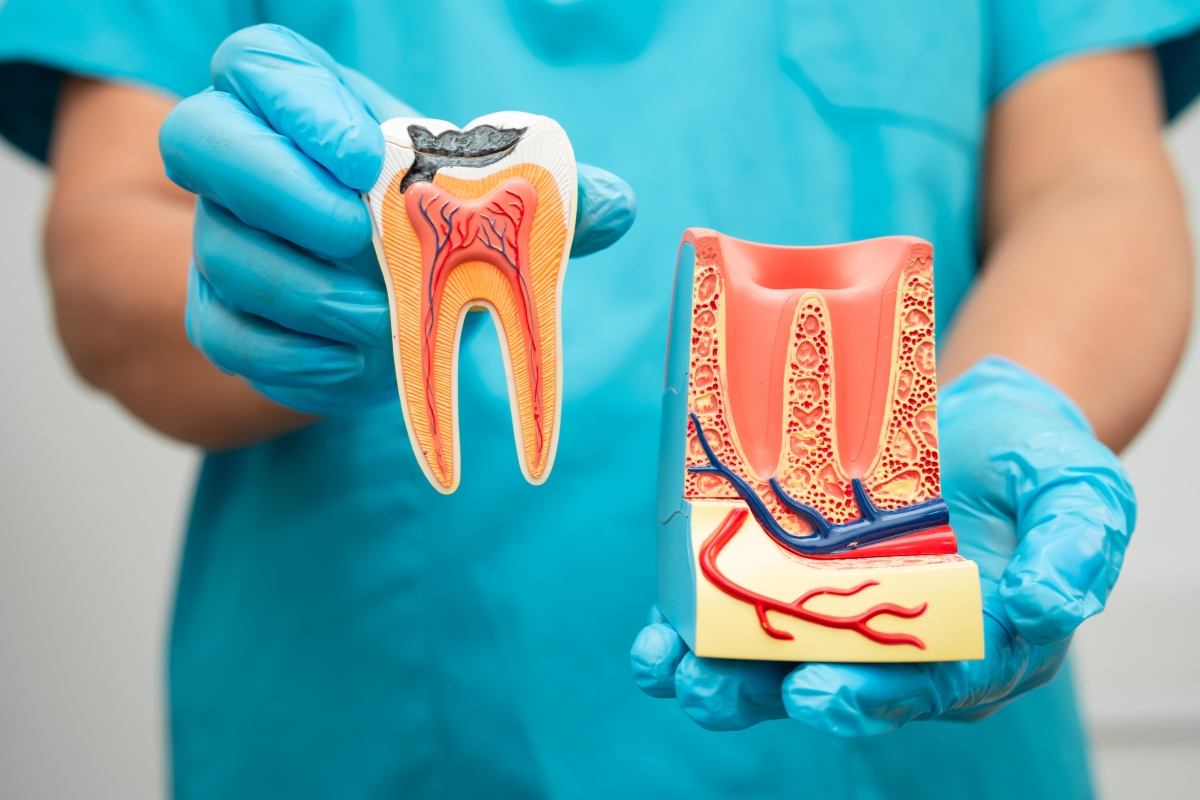
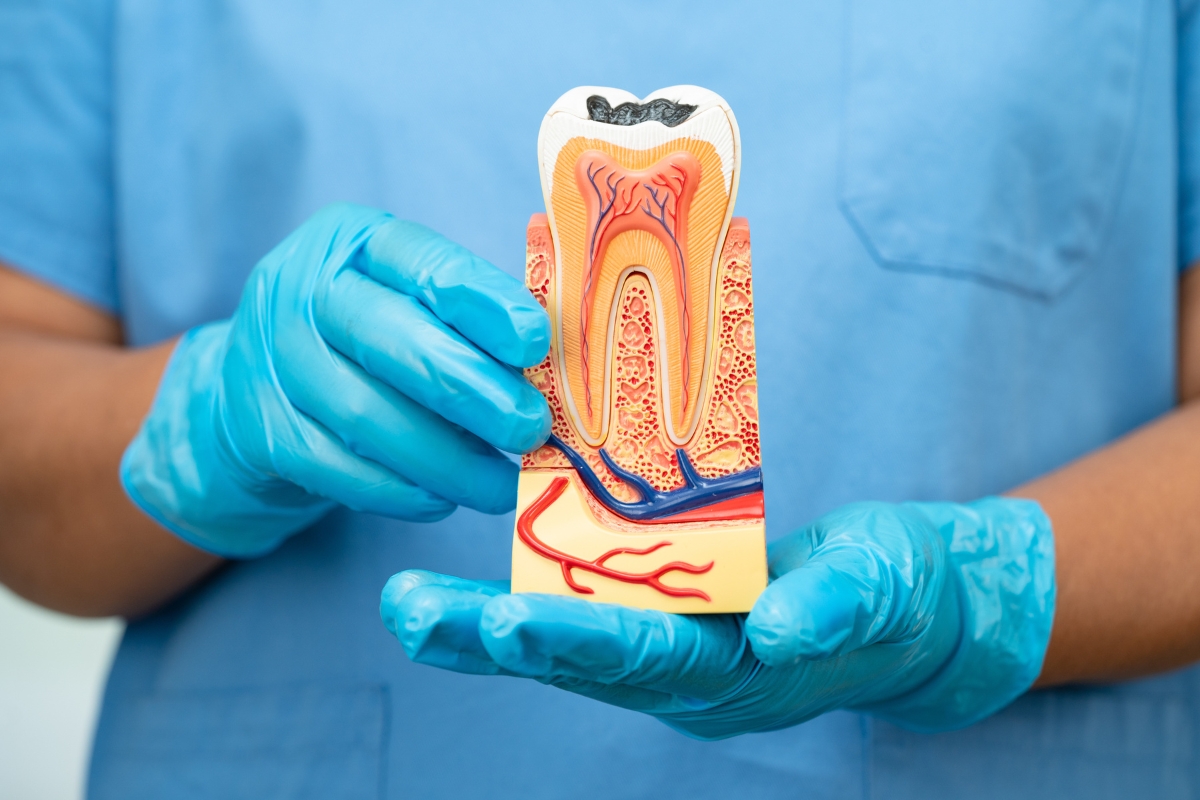
Endodontics is the branch of dentistry that deals with the inside of the tooth—specifically, the dental pulp and root canals.
Inside each tooth is a soft tissue called pulp. It contains nerves, blood vessels, and connective tissue. When this pulp becomes infected due to:
- Deep decay
- Repeated dental procedures
- Cracks or chips
- Trauma from sports injuries
It can cause severe pain, swelling, and even abscess formation.
An endodontic procedure removes the infected pulp, disinfects the canal, and seals the tooth to prevent future infection. The goal is simple: save your natural tooth whenever possible.
Why Saving Your Natural Tooth Matters
You might wonder, “Why not just extract it?”
Here’s why preserving your tooth is usually the better choice:
- Maintains natural chewing ability
- Prevents shifting of nearby teeth
- Preserves jawbone structure
- Avoids more complex treatments like implants or bridges
- Keeps your smile looking natural
In a busy and health-conscious community like Irvine, many patients prefer solutions that support long-term oral wellness rather than temporary fixes.
Signs You May Need Treatment
Not every toothache requires a root canal, but these symptoms should never be ignored:
- Persistent tooth pain
- Sensitivity to hot or cold that lingers
- Swollen or tender gums
- Darkening of a tooth
- A small pimple-like bump on the gum
If you live in areas like Woodbridge, Turtle Rock, or Northwood and notice these signs, early evaluation can prevent the infection from spreading.
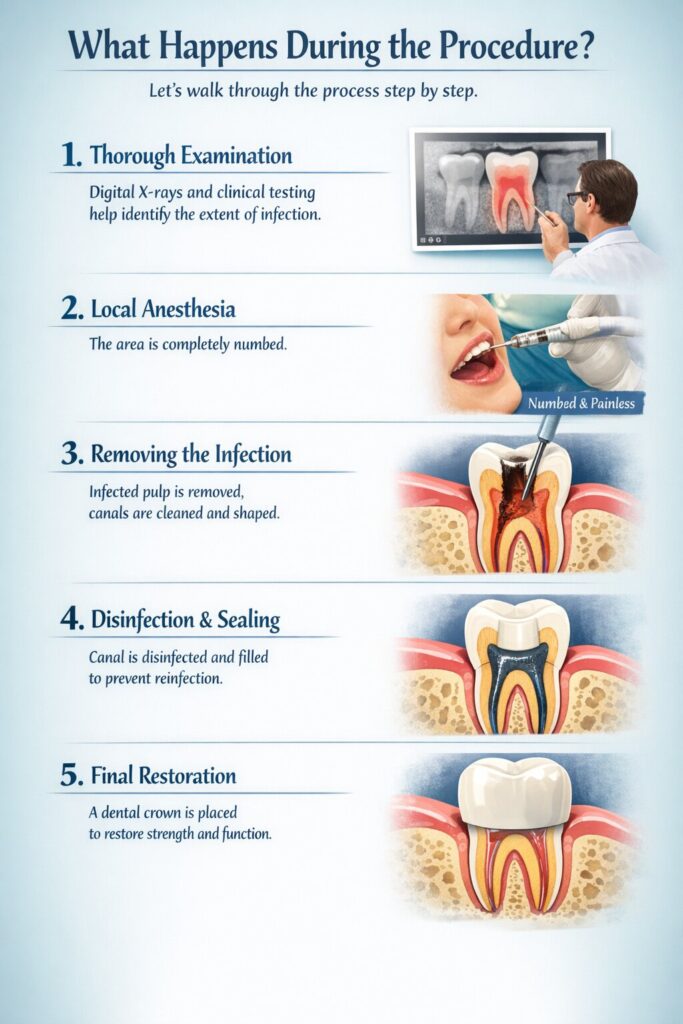
What Happens During the Procedure?
Let’s walk through the process step by step.
1. Thorough Examination
Digital X-rays and clinical testing help identify the extent of infection.
2. Local Anesthesia
The area is completely numbed. Most patients say it feels similar to getting a filling.
3. Removing the Infection
A small opening is made in the tooth. The infected pulp is removed, and the canal is carefully cleaned and shaped.
4. Disinfection and Sealing
The canal is disinfected and sealed with a biocompatible material to prevent reinfection.
5. Final Restoration
In many cases, a dental crown is placed to restore strength and function.
Modern Root canal treatment Irvine procedures are precise, efficient, and focused on patient comfort. Advanced technology helps ensure better accuracy and faster healing.
The Science Behind Modern Endodontics
Endodontics has evolved significantly over the years. Today’s techniques rely on:
- Digital imaging for accurate diagnosis
- Rotary instruments for efficient cleaning
- Biocompatible materials that support healing
- Advanced sterilization protocols
These improvements mean shorter appointments and higher success rates.
Studies consistently show that properly treated root canal teeth can last as long as natural teeth with routine care.
Does It Hurt?
This is the most common concern.
Thanks to modern anesthetics and refined techniques, most patients report that the procedure feels no more uncomfortable than a standard filling.
In fact, the treatment relieves pain—it doesn’t cause it.
After the procedure, mild soreness is normal for a few days. Over-the-counter medication is usually enough to manage it.
Source: Teeth Talk Girl
Recovery and Aftercare
Healing is typically smooth. Here’s how to support recovery:
- Avoid chewing on the treated side until restored
- Maintain good oral hygiene
- Attend follow-up appointments
- Schedule your permanent crown promptly
If you enjoy Irvine’s active lifestyle—cycling through Jeffrey Open Space Trail or spending time outdoors—you’ll appreciate that recovery rarely disrupts daily routines.
Why Local Experience Matters
Choosing a trusted dental provider in Irvine ensures:
- Familiarity with community needs
- Convenient scheduling for working professionals
- Emergency availability when pain strikes
- A personalized, relationship-based approach
When dental care is local, follow-ups and urgent visits are easier to manage.
Common Myths About Root Canal Therapy
Let’s clear up a few misconceptions:
Myth 1: It’s extremely painful.
Modern techniques make it comfortable.
Myth 2: Extraction is cheaper and easier.
Extraction often leads to additional procedures, increasing long-term costs.
Myth 3: Root canals don’t last.
With proper care and a crown, treated teeth can last decades.
When Is a Root Canal Not Enough?
In rare cases, severe damage may require:
- Retreatment
- Apicoectomy (minor surgical procedure)
- Extraction and replacement
An early evaluation improves your chances of saving the tooth.
People ask
How long does the procedure take?
Most treatments are completed in one visit lasting 60–90 minutes. Complex cases may require two visits.
Will I need a crown afterward?
In most back teeth, yes. A crown protects the tooth from fracture and restores strength.
Is it safe?
Yes. Root canal therapy is a well-established, evidence-based procedure with high success rates.
Can the infection come back?
If properly sealed and restored, recurrence is rare. Regular checkups help monitor long-term success.
How soon should I schedule treatment?
As soon as symptoms appear. Delaying care can lead to abscess formation and more complex treatment.
Preventing Future Problems
While not all infections are preventable, you can reduce risk by:
- Brushing twice daily
- Flossing consistently
- Visiting your dentist every six months
- Wearing a mouthguard during sports
- Treating cavities early
Preventive care is always more comfortable—and affordable—than emergency treatment.
When to Seek Immediate Help
Contact a dental professional right away if you experience:
- Severe swelling
- Fever
- Difficulty swallowing
- Intense, throbbing pain
These may indicate spreading infection that requires urgent attention.
Taking the Next Step Toward Relief
Tooth pain should never control your schedule or your quality of life. With modern endodontic science and patient-focused care, saving your natural tooth is often straightforward and highly successful.
If you’re experiencing persistent discomfort or have been advised to consider a root canal, don’t wait. Early care can mean the difference between saving and losing a tooth.
At Irvine Smiles Dental, our team combines advanced technology with a compassionate approach to help you feel confident and comfortable every step of the way.
Book your appointment today and take the first step toward lasting relief and a healthier smile.