
A toothache can bring your daily activities to a grinding halt. Whether it’s the pain from drinking coffee in the morning or the sensitivity from an effort to snack, a damaged tooth can’t be ignored. When a person visits a dentist with this issue, there are usually two treatment options: root canal therapy and tooth extraction.
Many people are left confused when choosing between these two options; however, the suitable treatment type depends on your tooth’s condition. If you have been in that patient chair weighing whether to keep or extract the tooth, you are not alone. This blog will guide you in understanding these procedures and their mechanisms, helping you reach a comfortable decision.
What Does Each Treatment Mean?
Root canal therapy and tooth extraction are both performed to relieve pain and prevent future infection, but their methods differ, and the results can be distinct.
Root Canal Therapy
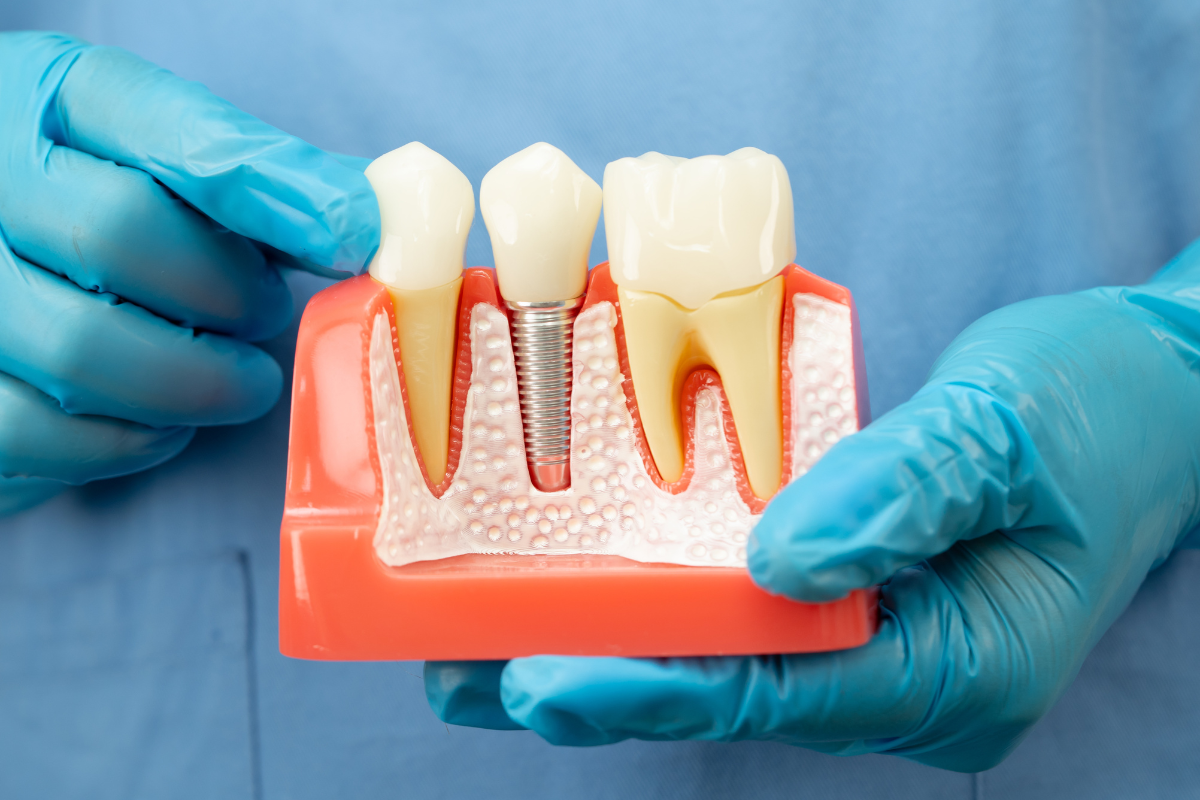
When a tooth becomes severely damaged, the dentist removes the infected pulp, cleans the area, and seals it to prevent bacteria from re-entering. It is beneficial because the treatment:
- Preserves your natural tooth
- Prevents the movement of adjacent teeth
- Assists in restoring the normal chewing function
- Reduces sensitivity to infection
Tooth Extraction
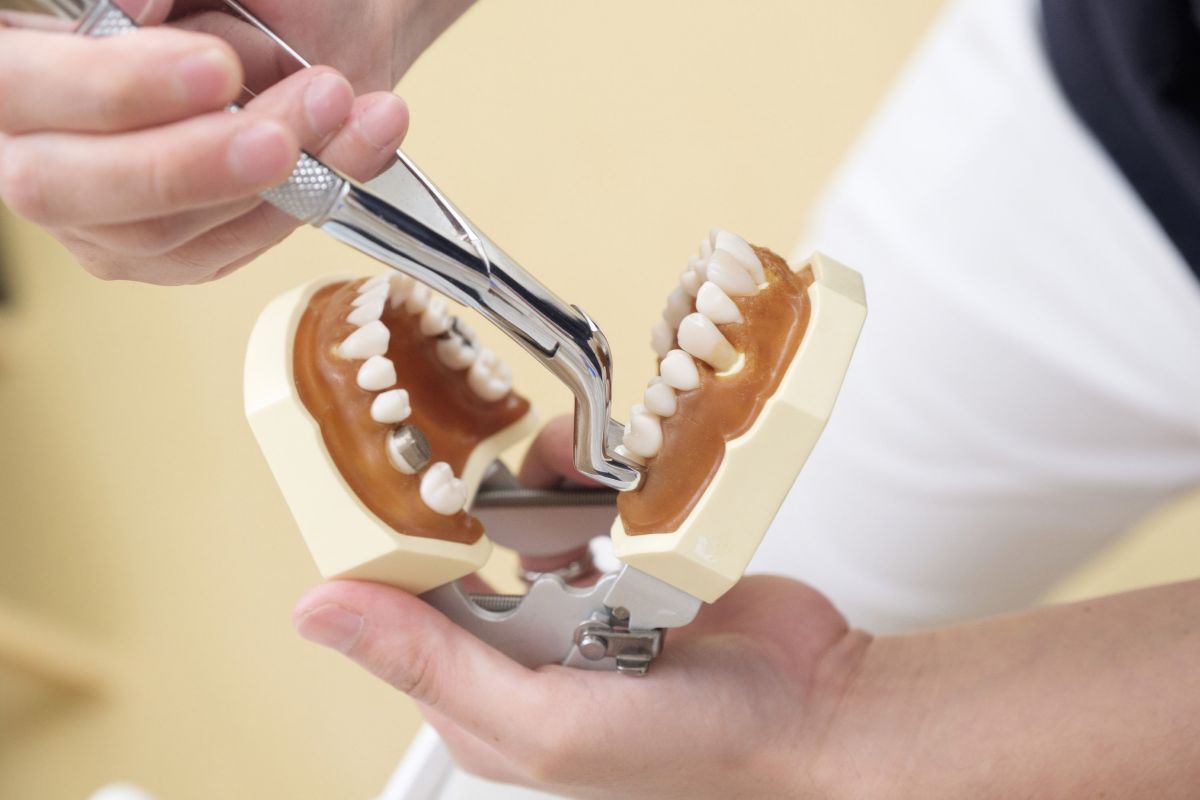
In this treatment, the tooth is surgically removed if it cannot be salvaged. It is often considered the last treatment option by your dentist. The benefits of this treatment are as follows:
- Immediate extraction of the compromised tooth
- Prevents infection spread in case of deep decay
- Useful in Crowding and Impacted teeth
- Allows for future placement of teeth replacements
When Do Dentists Recommend Root Canal Therapy?
A root canal treatment in Irvine is always the best option if the tooth can be saved. It brings relief, eliminates infection, and allows the same tooth to be used. It is at this stage that many patients begin searching for a root canal in Irvine, especially when biting down on food causes pain and/or the tooth aches. Some indications you might require a root canal are:
- Toothache or a dull ache throughout the day
- Gum swelling or tenderness
- Hot or cold sensitivity
- Tooth discoloration
- Pain on biting or on contact with the tooth.
When is Tooth Extraction the Best Option?
Extraction is recommended if the tooth is beyond saving or the damage done is severe and beyond repair. The process protects the teeth nearby and helps prevent the infection from spreading. A dentist may suggest the removal of teeth if:
- The tooth is fractured beyond repair
- Infection is significant or recurring
- Severe caries undercuts tooth structure
- Overcrowded or impacted teeth
- Pain and swelling due to wisdom teeth
How to Decide Which Option Is Best for You?
Both methods are suitable for various purposes, but the choice depends on the condition of the teeth, desired comfort, and overall dental health. Here are a few questions to consider before undergoing any one of these treatments:
- Do you prefer keeping the natural tooth?
- Can the tooth be salvaged?
- Will it impact biting or speaking?
- How deep is the infection?
If the tooth can be saved, most dental professionals would want it to remain in place. However, if it cannot be saved, the best option is to extract it.
Advantages of Maintaining Natural Teeth
It is always better to save your original tooth than replacing it with dental prosthetics. People decide to undergo root canal treatments due to the following reasons:
- The treatment ensures a complete smile without any gaps requiring further treatment
- Root canal therapy allows biting and chewing with ease, unlike extraction
- The treatment does not impact the adjoining teeth, holding it in its place
- It helps strengthen your jaws over time
- It offers a natural look and feel.
Healing and Aftercare Information
Regardless of whether you undergo a root canal or an extraction, you must take good care of your teeth. Some aftercare tips are as follows:
- Stick to soft food in the early days
- Do not chew on the treated side
- Gently brush around the area
- Follow medication guidelines
- Go to follow-up appointments with your dentist.
Life After Tooth Extraction
Extraction is a relief but leaves a void that may cause bite problems if not filled later. Healing is no problem if one follows the steps to alleviate pain. If you are undergoing a tooth extraction in Irvine, here are a few things to remember:
- Your bite may feel different at first
- The gap created might result in the teeth moving later in life
- Soft food is preferable in the early stages of the healing process
- A follow-up visit is essential as it allows your dentist to track the healing.
Protecting Your Smile Moving Forward
Good habits improve oral hygiene and help prevent future dental problems. Doing little things, like brushing your teeth after late-night snacking or after drinking something sweet, can help maintain them for several years. Here are a few things to follow for better oral health:
- Brush twice daily
- Rinse after meals
- Consume water frequently
- Visit a dentist regularly
Selecting What Suits You Best
While both root canal therapy and extraction provide relief, the appropriate treatment for you depends on your condition. Root canal procedures will preserve your tooth and help you maintain your bite. This is a better option when the tooth is not strong enough to support itself. Regardless of treatment type, it is essential to take the time to understand the process. If you have pain or an infection, do not delay treatment, as it may lead to a more serious condition.
A dentist can examine your tooth and help you make the best decision for your oral health. Our team at Irvine Smiles Dental is ready to answer your queries and help you feel comfortable living life as you wish by booking an appointment today. Call us to schedule an appointment and take your first step towards a gentle smile.
FAQs
How long does a root canal take?
Most root canal appointments take one or two visits. A dentist removes infection, cleans the inside, and seals the tooth. Discomfort fades as healing starts. Many people return to regular activity soon afterward.
Is tooth extraction painful?
The dentist numbs the area, so you feel pressure rather than sharp pain. Some soreness is normal after removal. Following care instructions helps reduce discomfort as healing improves each day.
What are the signs that a root canal may be needed?
Severe pain, swelling, sensitivity, or a dark tooth often signals infection. A dentist confirms with an exam and X-rays. Early treatment saves the tooth and prevents infection from spreading.
Can I eat normally after the procedure?
Soft foods are best at first. Avoid chewing on the treated side until it feels better. Once healing progresses, eating becomes comfortable again. Follow your dentist’s directions for a smooth recovery.
What happens if I ignore tooth pain?
The infection may spread deeper and damage more tissue. If left too long, extraction might be the only option. Timely treatment protects the tooth and reduces pain faster.
Will removing a tooth change my bite?
If not replaced later, nearby teeth can shift into the space. This may affect chewing and alignment. Dentists may suggest replacement options to maintain a balanced bite.