

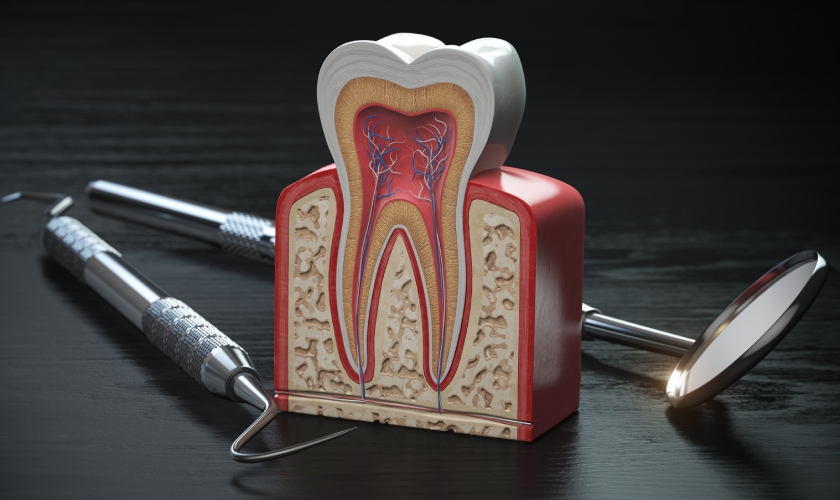
There is such a thing as a ‘simple’ toothache, but it can also be much more serious. Sometimes, it’s easy to take tooth pain as part of life. However, some symptoms indicate conditions that will need urgent attention. Being able to tell whether you have just a simple toothache or one caused by something far more serious, such as an infection, abscess, or nerve damage, is an important distinction to make.
These are indicative signs that help in preventing further damage and will save your tooth. Further, in this guide, we walk you through some very common symptoms and when it’s time for professional care at Irvine Smiles Dental.
Common Symptoms of Tooth Problems
The pain may vary in severity and kind, depending on the type of ailment that has occurred. Often, a sharp ache may point to an infection or abscess deep within the tooth. If you feel sensitivity to cold and hot temperatures, this may mean there is nerve damage or that the pulp of your tooth has decayed. Swelling and tenderness around the infected tooth are the major signs of an infection, especially if the area is warm to the touch.
More serious symptoms, including fever, pus drainage, or strong pain that doesn’t let up, could indicate that the infection has spread, and immediate emergency care is necessary.
When Is It Time to See an Emergency Dentist?
These are signals that the problem needs professional attention: a toothache that persists for days or worsens over time, sharp pain, and intense pain that radiates throughout the jaw. If the pain does not improve with over-the-counter pain relievers, then it may be time to see an emergency dentist.
If you notice sudden swelling, fever, or a change in the color of your tooth, these severe symptoms mean you could have an infection that needs immediate attention. An emergency dentist will take X-rays and perform tests during a consultation to accurately diagnose the problem and come up with the best course of action.
The Role of Root Canals in Treating Severe Tooth Pain
The most prevalent treatments include root canals in Irvine for severe pain caused by infected or damaged pulp. In this procedure, the emergency dentist removes the infected pulp, cleans the area, and fills it to prevent further infection.
Root canals are designed to alleviate pain and provide renewed functionality, thus saving the tooth from extraction. You may need a root canal in the case of persistent pain, swelling, or abscesses to save your tooth from an infection. This will help you retain your original tooth and be able to eat, speak, and smile with confidence.
How Irvine Smiles Dental Can Help
At Irvine Smiles Dental, we know that great emergency care involves diagnosing and treating a variety of tooth-related problems. We utilize leading technology, such as digital X-rays and 3D imaging, to ensure proper diagnosis and precise treatment planning.
Our approach is patient-centered, making the procedures as comfortable and quick as possible so that you can get back to your daily routine quickly. Whether you need a root canal or another emergency procedure, we are here to help you achieve long-term oral health.
Tooth pain does not always mean that something is seriously wrong, but it should not be ignored if it is persistent. If you think you have an infected or damaged tooth, do not wait to schedule an appointment.
Contact Irvine Smiles Dental today for a consultation. Our professional team will give you the care you need to get out of pain and preserve your smile.
FAQs
How do I know if my tooth pain is serious?
If the pain persists for days, intensifies, or is unresponsive to over-the-counter painkillers, it may signal a more serious condition like infection or nerve damage.
How long does a root canal procedure take?
A root canal typically takes between 1-2 hours, depending on the complexity of the case and the tooth involved.
Is a root canal painful?
Modern techniques and anesthesia ensure that root canal procedures are relatively painless. You may experience some discomfort afterward, but it’s manageable with over-the-counter medication.
What is the success rate of root canals?
Root canals have a success rate of around 95%. Most patients experience long-term relief and tooth retention after the procedure.
Can I eat immediately after a root canal?
It’s best to avoid eating until the anesthesia wears off to prevent biting your cheek or tongue. Soft foods are recommended for the first 24 hours.