
A dental bridge is a reliable solution for replacing missing teeth, but like any dental restoration, it doesn’t last forever. Over time, wear and tear, changes in your mouth, or issues with the bridge’s fit may signal that it’s time to consider a replacement. If you’ve had a dental bridge for a while, you might be wondering when the right time is to replace it. This guide will help you identify the signs that indicate it’s time to replace your dental bridge and what you can expect during the replacement process.
Signs It’s Time to Replace Your Dental Bridge
Dental bridges last between 5 and 15 years, depending on various factors, including the quality of care and the materials used. However, some warning signs suggest it may be time for a replacement. Here are some common reasons to consider replacing your dental bridge:
1. Pain or Discomfort
If your dental bridge is causing pain or discomfort, it’s a clear indication that something is wrong. Discomfort can arise if the bridge has shifted, if there’s decay underneath the bridge, or if your gums have become inflamed. Any persistent discomfort is a signal to consult your Irvine dentist for a dental bridge evaluation.
2. Loose or Wobbly Bridge
A loose dental bridge is a major concern. It can occur if the supporting teeth have shifted or if the bridge has worn out over time. A loose bridge can lead to gum irritation, difficulty chewing, and further damage to your surrounding teeth. If you notice your bridge feels unstable or wobbly, it’s time to have it checked.
3. Visible Damage
Accidents happen, and your dental bridge could be chipped or cracked. Even minor damage can cause issues, including discomfort, difficulty with eating, or further damage to the surrounding teeth. If you notice visible damage, it’s essential to have it replaced promptly to prevent further complications.
4. Gum Recession or Sensitivity
Gum recession around your dental bridge is another common issue. If you notice that your gums are pulling away from the bridge, leaving it exposed, this could be a sign that the bridge is no longer fitting properly. Additionally, if you experience sensitivity to hot or cold foods and drinks, it could be a result of changes in your gum tissue or the wear on your bridge.
5. Decay or Cavities on Support Teeth
While dental bridges are designed to restore function, the teeth supporting the bridge are still vulnerable to decay. If decay occurs in the supporting teeth, it can compromise the bridge’s effectiveness and require a replacement. Your dentist will likely notice signs of cavities or other issues during routine check-ups.
What to Expect When Replacing Your Dental Bridge
If you and your dentist decide that it’s time to replace your dental bridge, here’s a general overview of the process:
- Initial Consultation and Examination
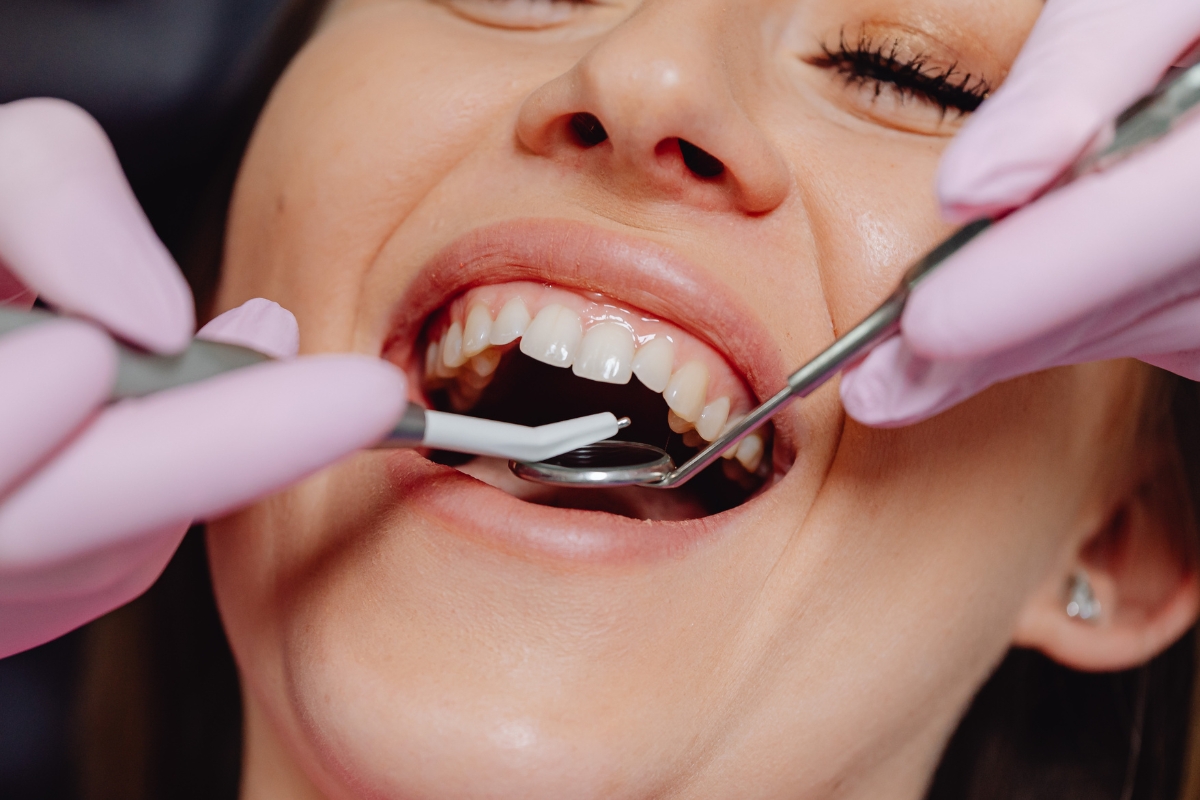
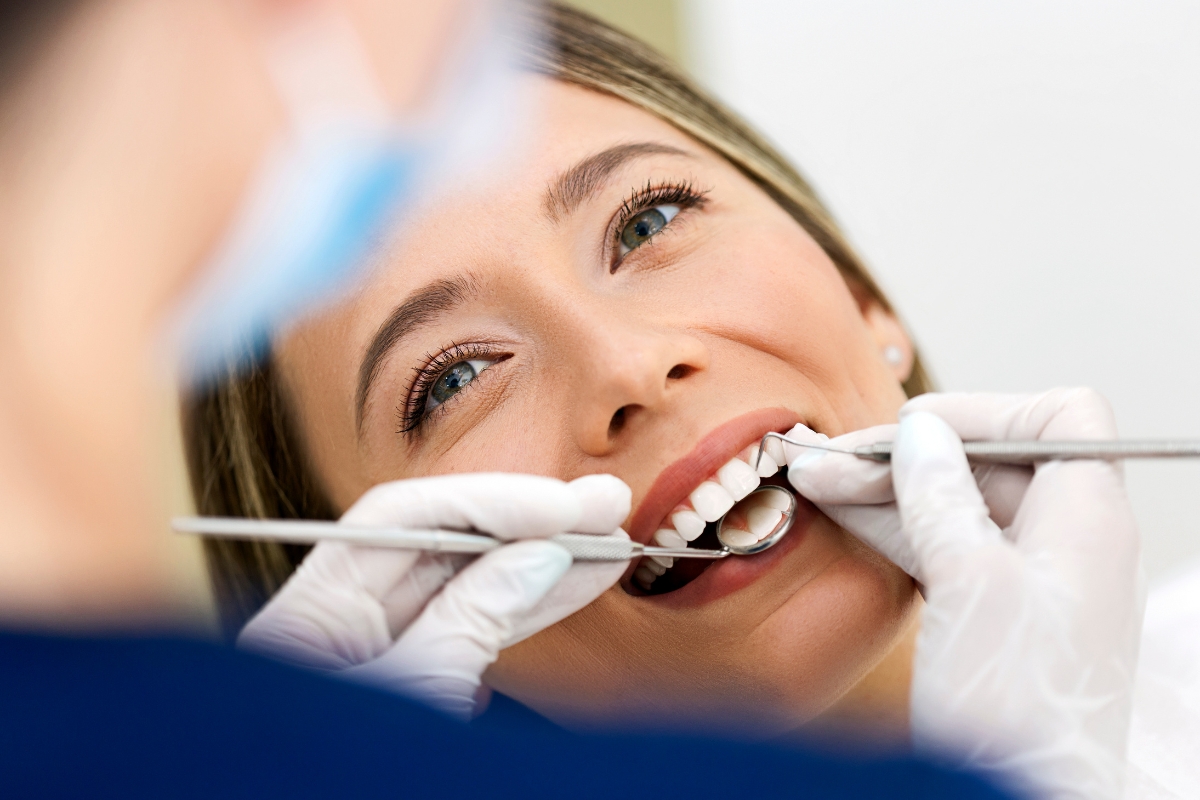
During the consultation, your dentist will examine the condition of your existing bridge and surrounding teeth. They may take dental X-rays to check for underlying issues, such as decay, and based on these results, they’ll recommend the best course of action. - Designing the New Bridge
Once your dentist has determined the right type of replacement bridge, they’ll take impressions of your mouth to ensure that the new bridge fits perfectly. If necessary, they’ll also make adjustments to the supporting teeth. - Temporary Bridge
While your new bridge is being crafted, your dentist may place a temporary bridge to protect your gums and prevent discomfort. This bridge helps you maintain your smile and function until the permanent one is ready. - Placement of the New Bridge
Once your new dental bridge is ready, your dentist will remove the temporary bridge and replace it with the new one. They’ll ensure the fit is perfect and that your bite is aligned. You may need a few follow-up visits to adjust the bridge if necessary.
How to Care for Your New Dental Bridge
Taking good care of your new dental bridge is essential for its longevity. Here are a few tips to help:
- Brush and floss regularly: Keeping the area around your bridge clean will help prevent decay and gum disease.
- Avoid sticky or hard foods: These can damage your bridge or loosen it over time.
- Regular dental visits: Be sure to visit your dentist regularly to check the condition of your bridge and surrounding teeth.
Replacing your dental bridge is an important step in maintaining your oral health and ensuring that your smile remains strong and functional. If you notice any of the signs mentioned above, it’s crucial to contact your dentist to discuss your options. Replacing a damaged or worn-out dental bridge not only restores your smile but also protects the health of your surrounding teeth and gums.
FAQs
- How long does a dental bridge last?
Proper care and regular check-ups can help your bridge last 5 to 15 years. - What happens if I don’t replace my dental bridge?
Failing to address the need for a replacement can lead to gum disease, tooth decay, and misalignment of surrounding teeth. - Can a dentist repair a dental bridge?
While a professional can repair a dental bridge in some cases, an extensively damaged one requires replacement.
What is the cost of replacing a dental bridge in Irvine?
The cost varies depending on the type of bridge and your dental insurance plan. It’s best to consult your dentist for an accurate estimate tailored to your dental needs.